
EN

Choosing between new and used equipment becomes harder when the workload isn't clearly defined from the start. A machine used occasionally has different cost and reliability needs from one expected to work throughout demanding projects that run back to back. Comparing new vs used equipment should therefore begin with workload, operating frequency, downtime risk, maintenance needs, and the condition of the machine rather than purchase price alone sitting at the top of the list.
A lower purchase cost may make sense when equipment has limited use and a buyer can manage routine maintenance without much strain. A newer machine may make more sense when equipment availability directly affects schedules or when the buyer needs predictable support they can count on. Neither option fits every workload equally well.

The practical question isn't simply whether new or used equipment is preferable in the abstract. The better question is how each option fits the work the machine actually needs to perform day to day.
Traditional mechanical transmission relies on physical connections between moving parts. A shaft, gear, belt, or similar component creates a direct path for rotational movement, but certain equipment layouts make that direct contact genuinely inconvenient or risky. Magnetic coupling offers another option by letting motion pass through a separation between the driving and driven sides instead of through a physical opening.
The basic arrangement breaks down into three sections.
| Section | Role in Magnetic Coupling |
|---|---|
| Driving assembly | Receives rotational input |
| Magnetic interface | Transfers movement through magnetic interaction |
| Driven assembly | Receives the transferred rotation |
The driving side doesn't need to touch the driven side for rotational movement to continue. This matters when the two areas need to stay physically separated during operation. A rotating component inside one chamber, for instance, may need to drive another component inside a sealed chamber. A direct shaft connection would require an opening through the separating wall, which creates exactly the kind of seal-wear problem described above. Magnetic coupling instead places one magnetic assembly on each side of the barrier, letting the two interact through the separation without ever creating a mechanical path through the wall itself.
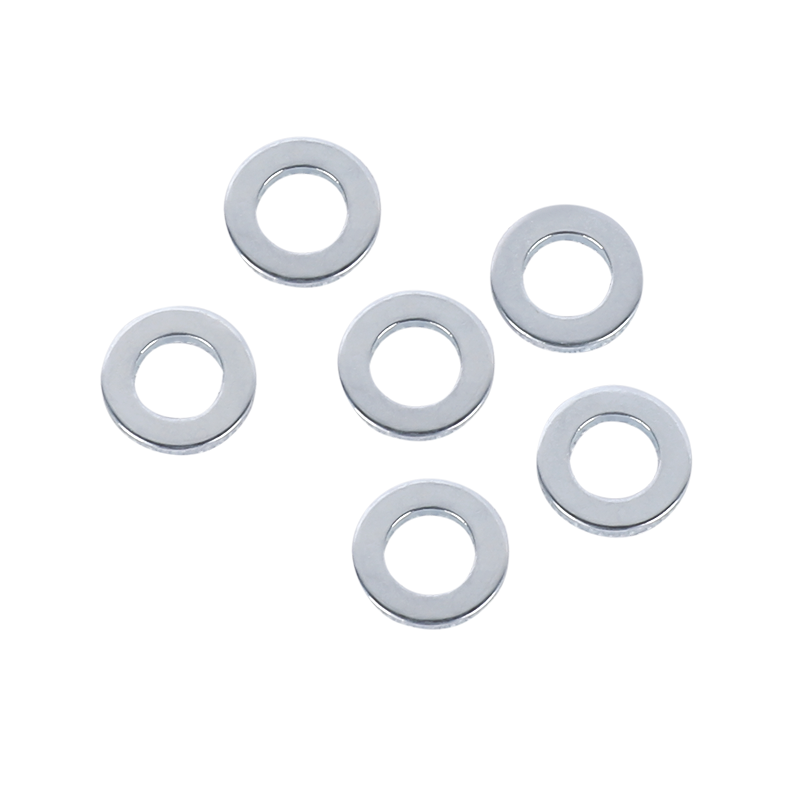
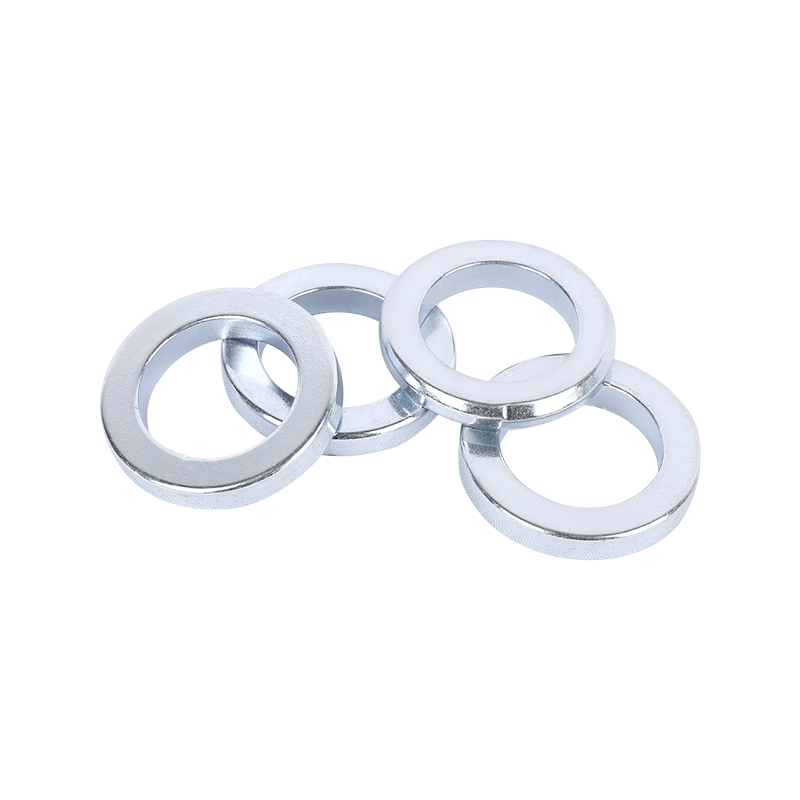
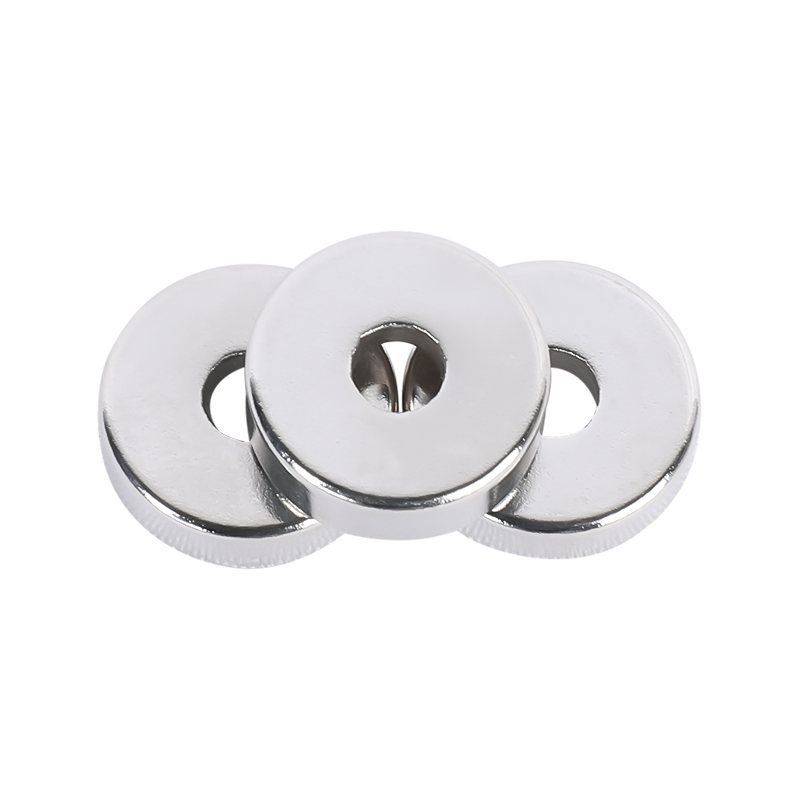
Shape influences how a magnet fits into a rotating assembly. An Ndfeb Ring Magnet has a circular form that corresponds naturally with rotating components built around a central axis. Rather than placing individual magnetic pieces around a rotating structure in a scattered arrangement, ring-shaped components can be built directly into assemblies designed to rotate around that same center point.
This creates a direct relationship between the magnet's shape and the movement being transferred. The ring form also provides a continuous circular structure around a central opening, and that opening can accommodate part of a rotating assembly while the magnetic material stays positioned exactly where magnetic interaction needs to happen.
The real consideration here isn't simply whether a ring magnet happens to be circular. Its usefulness comes from how well the magnetic element fits into the overall coupling design. A designer needs to think through the position of the magnet relative to the driving rotor, driven rotor, separation wall, and any other rotating components nearby. When these pieces work together as one coordinated system, the magnetic interaction can carry rotational movement from one side to the other without complications.
The core idea behind magnetic coupling rests on two rotating assemblies influencing each other purely through magnetic force. When the driving assembly turns, its magnetic arrangement shifts position relative to the magnetic arrangement on the driven side, and that shift encourages the driven assembly to follow along.
A simplified sequence looks something like this:
A driving shaft connects to a rotating magnetic assembly.
A separation sits between the two sides.
A second magnetic assembly sits positioned opposite the first.
A driven shaft connects to that second assembly.
Rotational movement transfers through magnetic interaction alone.
The two assemblies stay physically separate the entire time their magnetic fields interact. This means the coupling doesn't depend on direct contact between the rotating elements at any point. The relationship becomes genuinely useful when the separation itself serves another purpose too — a barrier can keep fluids, gases, particles, or different operating environments apart while the magnetic connection quietly keeps transferring rotational movement across it. This differs quite a bit from simply using a magnet to hold or attract an object; in a coupling application, the magnetic arrangement gets coordinated with rotation so movement on one side genuinely drives movement on the other.
Following the movement from the input side helps explain how the coupling behaves. Once the driving shaft begins rotating, the magnetic assembly attached to it moves along with it. The magnetic positions around that rotating assembly shift relative to the corresponding positions on the driven assembly, and the resulting interaction encourages the second assembly to rotate in step with the first.
The driven component, in this setup, isn't pulled through any direct mechanical connection. It responds purely to the changing magnetic relationship playing out between the two assemblies.
| Conventional Connection | Magnetic Coupling |
|---|---|
| Direct physical connection | Separated rotating assemblies |
| Movement passes through a mechanical part | Movement passes through magnetic interaction |
| Shaft may cross a barrier | Barrier can remain between assemblies |
| Contact occurs between transmission parts | Main rotating assemblies remain separated |
The actual behavior still depends on the complete coupling design. Magnet arrangement, alignment, separation distance, rotational load, and the connected equipment all shape how the system performs day to day. An Ndfeb Ring Magnet, for this reason, should be treated as one part of a larger rotating assembly rather than a standalone component doing all the work by itself.
Some machines need a rotating component operating inside an enclosed space, but that rotation still has to be driven from outside that space somehow. A conventional shaft would need to pass through the enclosure wall, and that penetration point often becomes the exact spot where separation between two environments gets harder to maintain — as the pump engineer's leak problem demonstrated directly.
Magnetic coupling offers a different arrangement entirely. The driving assembly stays outside while the driven assembly operates inside. A separating wall sits between them, letting magnetic interaction pass through the barrier without requiring any physical shaft connection across it.
This arrangement helps when the contents of the enclosed area need to stay isolated from the outside environment, or when the outside environment needs to stay away from whatever's happening inside. The value comes from separating rotational transmission from direct mechanical access entirely. For equipment designers, this changes how the rotating system gets arranged around the enclosure — the magnetic coupling becomes a bridge for movement while the physical barrier stays firmly in place. An Ndfeb Ring Magnet fits this type of arrangement well when its circular structure matches the rotating assemblies sitting on either side of the separation.
Magnetic coupling depends heavily on the relationship between rotating parts. The driving and driven assemblies need to face each other in a suitable arrangement so their magnetic interaction can actually support the intended movement. Alignment, in other words, becomes part of the mechanical design rather than an afterthought. If the two assemblies aren't positioned as intended, the magnetic relationship shifts and the transmitted movement may not behave the way anyone expected.
Surrounding components matter here too. A coupling often needs to fit around shafts, housings, barriers, bearings, or other machine parts, which means the magnet can't be considered separately from the structure holding it in place.
| Design Area | Question to Consider |
|---|---|
| Driving side | How does the input rotation reach the magnetic assembly? |
| Driven side | How does the second assembly deliver movement? |
| Alignment | Are both rotating sections positioned appropriately? |
| Separation | What needs to remain between the two assemblies? |
| Housing | How are the magnetic components held in place? |
| Rotation | Can the assemblies move as intended within the surrounding structure? |
The goal is building a coordinated rotating system rather than simply dropping magnets into an existing machine and hoping for the best. This matters especially when equipment has limited room around the rotating shaft, since the magnetic assembly needs to work within the available structure while still maintaining the intended relationship between both sides.
Different magnetic materials and shapes suit different applications, so selection should follow the actual needs of the coupling rather than a general assumption about any one material being the obvious choice. Ndfeb magnets get considered often for applications needing strong magnetic interaction within a fairly compact magnetic assembly, but the right choice still depends on the complete operating environment surrounding it.
A designer needs to weigh temperature, surrounding materials, protective construction, mechanical movement, and expected operating conditions together. The Density of Ndfeb Magnets can matter when evaluating the material itself, but magnetic coupling design involves quite a bit more than material density alone. The position of magnetic material within the rotating assembly shapes how driving and driven components interact, and the number and arrangement of magnetic sections can change that relationship further still.
Selection, then, needs to stay connected to the intended transmission arrangement. A magnet that works well in one coupling design won't automatically suit another machine built with a different structure. Surrounding housing and separation material need consideration too, since they form part of the actual path between the two magnetic assemblies.
Manufacturers working with magnetic coupling components need to think through the relationship between material, shape, assembly, and intended application together. An Ndfeb Ring Magnet might suit a circular rotating structure well, but its final use still depends on how it gets incorporated into the broader coupling.
The manufacturing process needs to maintain consistency between the magnetic component and whatever holds or positions it. The ring needs to fit the intended assembly without interfering with surrounding rotating parts, and its surface treatment may need to suit whatever environment the finished coupling operates within.
For a Rubber Magnet Factory, magnetic coupling likely represents a different product application entirely compared to flexible magnetic sheets, labels, seals, or holding products. This distinction matters because coupling components participate in ongoing rotational transmission rather than simply providing static magnetic attachment. Manufacturers need to understand this difference clearly when discussing product requirements with equipment buyers.
Useful questions to raise early include:
Where will the magnetic assembly be positioned?
What type of rotating component will it connect to?
Will a barrier separate the two magnetic assemblies?
What surrounding materials will be present?
How will the magnet be protected during operation?
How will the magnetic component be secured within the rotating structure?
These questions connect the individual magnet to the larger mechanical system it's actually part of, and they give buyers a clearer way to communicate exactly what the component needs to accomplish inside the finished equipment.
Magnetic coupling changes how designers think about the relationship between a motor, rotating shaft, enclosure, and working chamber. A direct connection typically requires a mechanical path between two areas. A magnetic connection lets those areas stay separated while rotation still gets transferred between them.
This gives equipment layout another real option whenever physical access through a wall or housing is undesirable for sealing, cleanliness, or safety reasons. The driving motor can stay on one side while the driven rotating component operates on the other, and the separation between them becomes part of the machine's actual structure rather than an obstacle standing in the way of transmission.
This approach comes up often in equipment where maintaining separation between environments genuinely matters, and it can shape how maintenance areas, housings, and rotating assemblies get arranged throughout the machine. The core design question becomes how to build the required magnetic relationship while still letting the surrounding machine perform its other functions without interference. An Ndfeb Ring Magnet contributes well to this arrangement when its circular form fits naturally around the rotating axis, tying its role directly to the geometry and movement of the complete coupling.
Magnetic coupling, at its core, creates a controlled connection between two rotating sides without requiring those sides to ever touch. That combination of magnetic force, rotating assemblies, and physical separation becomes genuinely relevant whenever designers are searching for another way to transfer motion inside enclosed or separated equipment — much like the pump engineer discovered after weeks of chasing a leak that a shaft penetration was always going to cause.
 +86-18072358700
 8 Nanshanghu West Village, Hengdian Town, Dongyang City, Zhejiang Province, China.
Copyright © Dongyang Ma Li Magnet Co., Ltd. All Rights Reserved. Custom Industrial Magnets Manufacturers

 English
 Español
 日本語