
EN

Small magnets can have a quiet role in product design. They may not attract much attention when a product is in use, yet they can help two parts meet, stay together, or move in a more controlled way.
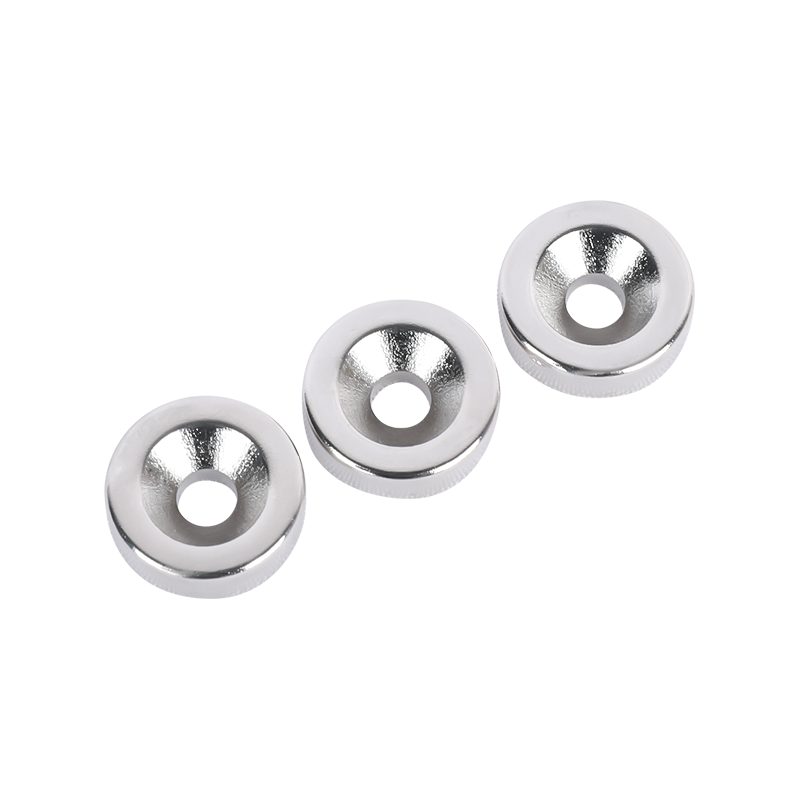
This is one reason Small Round Black Magnets appear in many compact products and everyday objects. Their small shape can fit into areas where a larger component would take up too much space. The round form can also work with different product structures, depending on how the magnet is placed.

The black appearance adds another design option. In some products, the magnet is visible. In others, it can sit inside a part and remain out of sight. This gives designers more freedom when planning the appearance and function of a product.
Their use is not limited to one industry. Small Round Black Magnets can be found in storage products, packaging, crafts, furniture parts, accessories, displays, and various household items. The exact use depends on the product structure and the connection that needs to be created.
Small products often have limited room for internal components. Every part needs to fit into the available space without making the product difficult to use.
A small round magnet can provide a simple way to create a connection between two parts. Instead of adding a large fastening component, a designer may place a magnet inside or against a suitable surface. This can help keep the overall design clean.
The round shape also gives designers several placement options. A magnet may be set into a recess, attached to a surface, or included inside another component. Its role changes according to the product.
Another feature is the way magnetic connections can be opened and closed. A product may need to stay closed during storage but open easily when someone needs access. A magnetic connection can support this type of interaction without adding a complicated visible fastening system.
This makes Small Round Black Magnets relevant to products where convenience and appearance need to work together.
| Product need | Possible role of a small round magnet |
|---|---|
| Keeping two parts together | Creates a simple magnetic connection |
| Supporting a removable part | Helps hold the part in position |
| Creating a clean appearance | Allows some fastening elements to remain hidden |
| Making access easier | Supports simple opening and closing |
| Organizing small components | Helps keep parts in a planned position |
The magnet itself may be a small part of the product, but its placement can influence how the whole item feels during everyday use.
Packaging is one area where compact magnets can have a practical role. Some packaging needs to close securely while still being easy to open. A magnetic connection can help create that type of experience.
Gift boxes, presentation cases, reusable containers, and display packaging may use magnets as part of their closure design. The magnet can be placed beneath a covering material so that the outside of the package remains visually simple.
This approach can be useful when the packaging is designed to be opened and closed more than once. A traditional fastening feature may change the appearance of the package, while a hidden magnetic connection can keep the surface relatively clean.
Small Round Black Magnets can also be considered when packaging contains separate sections or removable parts. A small component may need to stay in place while the package is being moved. A magnetic connection can provide support without making the package difficult to handle.
The application is not about the magnet alone. The surrounding material, product structure, and intended user experience all affect how the connection should be designed.
For packaging designers, this means the magnet is often treated as part of the overall closure system rather than as an isolated component.
Furniture design often includes small doors, covers, panels, and removable sections. These parts may need to remain in position during normal use while still being accessible when required.
Small Round Black Magnets can be used in these areas as part of a holding or closing solution. A cabinet door, for example, may include a concealed magnetic connection. The magnet helps keep the door aligned with the furniture structure without becoming a major visual feature.
Small home products can use the same idea on a smaller scale. Storage boxes, organizers, decorative containers, and removable covers may benefit from a compact connection.
The hidden nature of the magnet can be especially useful in interior products. Designers often want the outside surface to remain visually simple. A small internal component can support the function without drawing attention away from the overall form.
There is also room for creative use. A decorative panel may need to be removable for cleaning or adjustment. A magnetic connection can make that possible while avoiding a permanently fixed structure.
In these applications, the value of the magnet comes from its ability to support the product without becoming the main feature.
Craft and DIY projects often involve small parts that need to connect in flexible ways. Magnets can make these connections easier to create.
Small Round Black Magnets may be used in handmade boxes, decorative pieces, educational projects, model products, and small organizers. Their compact form allows them to fit into many creative designs.
For a handmade box, magnets may help keep a lid closed. In a model, they may allow one part to be removed and replaced. In a decorative item, they may connect two pieces while keeping the joint less noticeable.
The black surface can also suit certain visual styles. Dark components may blend into black, gray, wood-toned, or other darker materials. When the magnet is exposed, its appearance can become part of the design rather than simply a functional detail.
DIY applications also show how small magnets can support experimentation. A designer can test different positions and connection points before deciding how the final product should be assembled.
This flexibility makes magnets useful beyond traditional industrial applications. They can become small building elements in creative product development.
Displays often need removable parts. A sign, panel, cover, sample, or decorative element may need to be attached securely but removed when the display is changed.
Small Round Black Magnets can support this type of arrangement. A magnet can be placed behind a display surface or inside a removable component. This allows the visible structure to remain relatively clean.
Retail displays, exhibition fixtures, product stands, and information boards may all have situations where parts need to be changed. A magnetic connection can make the process more convenient than a fixed attachment.
There is also an advantage in modular design. If a display contains several interchangeable sections, magnetic connections can allow those sections to be repositioned or replaced without changing the entire structure.
The magnet therefore becomes part of the display's flexibility. It supports a connection while allowing the designer to think about future changes.
For product presentation, appearance matters. A visible fastening feature can compete with the item being displayed. A small magnet that sits inside the structure can help keep attention on the display itself.
Closures are another common application. Many everyday products need a part that can move between an open and closed position.
A magnetic connection can help define this movement. When two parts approach each other, the magnets can help bring them together. When access is needed, the user can separate the parts again.
This concept can appear in cases, covers, boxes, organizers, and accessories. The product may not look noticeably different from a version that uses another fastening method, but the way it opens and closes can feel different.
Removable parts offer another application. Some product components need to be taken off for cleaning, replacement, storage, or adjustment. A magnetic connection can make this possible without creating a permanent attachment.
Small Round Black Magnets are particularly suitable for designs where space is limited. Their compact form gives designers more room to work around other components.
However, the placement still matters. A magnet needs to be positioned in a way that matches the movement of the connected parts. Poor placement can make the product harder to use.
This is why magnet selection is closely connected with product design. The component needs to fit the way the product is expected to work.
Organization products often depend on small connections. A compartment may need a removable cover. A holder may need to stay attached to another surface. A storage item may need a section that can be opened without fully separating from the main body.
Small Round Black Magnets can support these functions.
Desk organizers are one example. A small tray, cover, or accessory may use a magnetic connection to remain in place. The same idea can be applied to storage boxes, tool organizers, display organizers, and household containers.
The magnet can also support modular products. Instead of designing one fixed structure, manufacturers can create separate parts that connect together. This can make the product easier to rearrange or adapt.
For consumers, these small details can influence daily use. A product does not always need a complicated mechanism to become easier to organize. A simple connection between two parts may be enough.
From a design perspective, this also creates opportunities for products with fewer visible fastening elements. The result can be a cleaner appearance while keeping individual components functional.
The application should guide the choice of magnet. A magnet that works well in one product may not be suitable for another because the surrounding structure and intended movement can be different.
Several design questions can help during development:
These questions are useful across different product categories. They also show why Small Round Black Magnets should not be selected only by looking at their appearance or size.
The surrounding product design matters just as much.
A successful application begins with understanding what the product needs to do. Once the role of the magnet is clear, designers can consider its position, connection method, appearance, and relationship with the other parts.
This approach opens up many possibilities. A small round magnet may sit inside a package, behind a display panel, within a furniture component, or inside a handmade product. In each case, its role is slightly different.
That flexibility is what keeps Small Round Black Magnets relevant across compact product design, everyday organization, packaging, creative projects, and removable product components.
 +86-18072358700
 8 Nanshanghu West Village, Hengdian Town, Dongyang City, Zhejiang Province, China.
Copyright © Dongyang Ma Li Magnet Co., Ltd. All Rights Reserved. Custom Industrial Magnets Manufacturers

 English
 Español
 日本語