
EN

Magnetic components may be small, but their behavior can affect the way an entire product works once it's assembled and running. A ring magnet can get used in sensing, holding, positioning, rotating, switching, and other applications where stable magnetic behavior genuinely matters day after day.
For manufacturers and buyers, performance is rarely determined by the magnet material alone sitting on a datasheet. Shape, production quality, surrounding parts, operating conditions, and storage can all change how a magnet behaves once it enters a finished product out in the world.

This has made material selection a genuinely broader engineering and purchasing issue than it used to be. A magnet that appears suitable during initial inspection may behave differently once it's assembled into a real device with other parts around it.
The growing attention is also changing how buyers evaluate magnetic components before ordering. Instead of looking only at the material name printed on a spec sheet, many now consider how the magnet will interact with the complete product it's joining. That shift is important for ring shaped magnets specifically, since their open center, outer surface, thickness, and mounting method can all influence the final application in ways easy to overlook.
Material composition has a direct influence on the magnetic behavior of a magnet placed inside a product. Small changes in the material itself can affect how strongly it responds, how well it maintains its properties, and how it behaves under different working conditions over time.
This is why material selection should begin with the intended application, rather than with a general assumption about one material being suitable for every product on the line.
A consistent material structure can help manufacturers produce magnets with more predictable behavior batch after batch. If the material varies from one production batch to another, the finished components may also show differences that show up later during assembly.
For buyers, this means material consistency deserves attention when evaluating a supplier before placing a large order. Useful questions include whether the material is suitable for the intended application, whether production consistency is controlled, whether the magnets are inspected during manufacturing, whether the supplier can explain how material quality is maintained, and whether the finished magnet matches the intended use.
These questions are often a lot more useful than focusing on a single material description printed on a quote.
Density is another factor that may affect how magnetic material gets formed and how the finished component behaves once installed. The Density of Ndfeb Magnets is therefore relevant when manufacturers consider material selection and product construction together.
However, density shouldn't get viewed as an independent measure of application performance on its own. A magnet is part of a larger system, and its behavior depends on shape, material condition, assembly, and surrounding components working alongside it.
This is particularly important when comparing magnets intended for different applications side by side. Two components can have similar dimensions while producing genuinely different results, since their material and manufacturing conditions differ underneath.
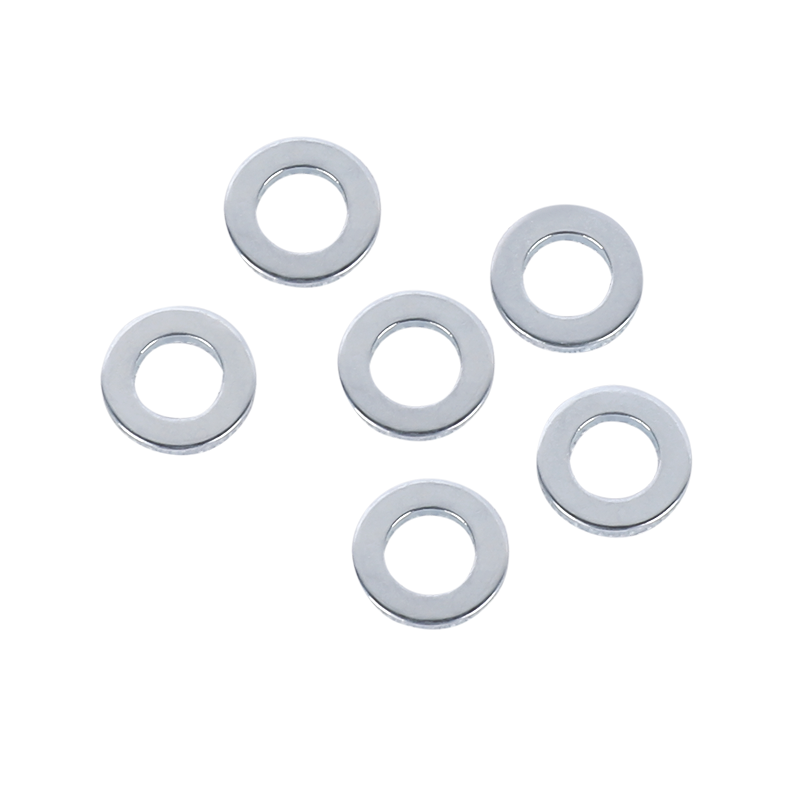
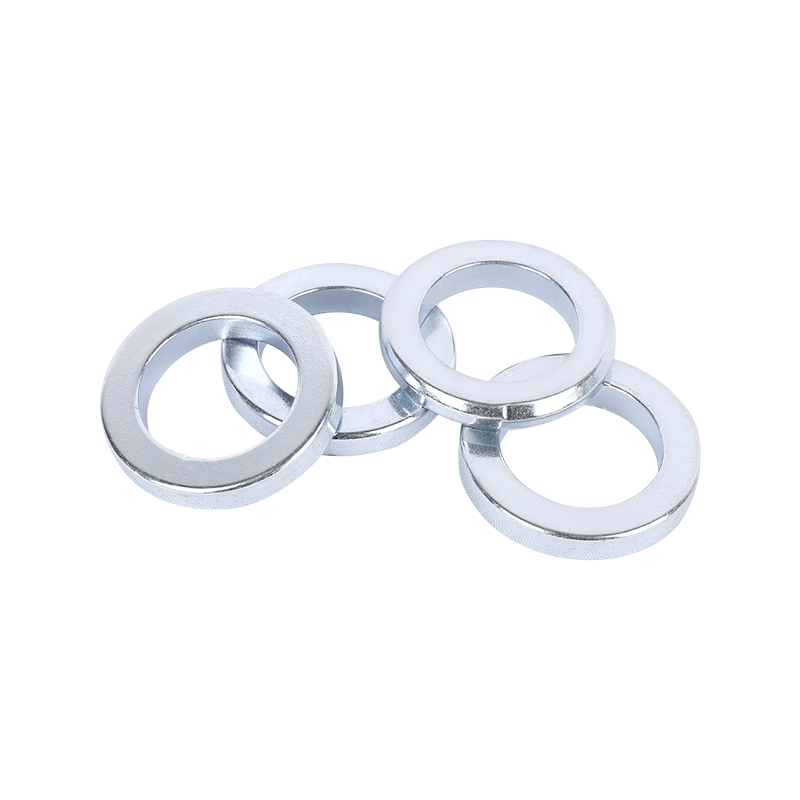
The physical shape of a magnet affects how magnetic force gets distributed around the component itself. A ring design creates a central opening, which can prove useful when a magnet needs to fit around a shaft, tube, fastener, sensor, or other component passing through it.
The shape also affects how the magnet interacts with nearby materials sitting close by.
The center hole is often one of the main reasons a ring configuration gets selected for the job. It allows another component to pass through the magnet or provides space for mechanical assembly around it.
The opening should therefore get considered part of the magnetic design, rather than simply a manufacturing feature added for convenience. A change in the opening can alter the relationship between the magnet and nearby components in ways not immediately obvious. This may influence the final behavior of the assembled product once it's running.
The outer surface and edges can affect how the magnet fits into its housing during assembly. A suitable fit can help prevent unwanted movement and reduce stress during assembly on the line.
Poorly matched components may create pressure points or movement that has nothing to do with the magnet material itself at all. This is why magnetic performance should get evaluated together with mechanical design, not separately from it.
Magnets need to get installed in the intended orientation every single time. Reversing the orientation or changing the position can alter how the magnetic field interacts with surrounding components in unexpected ways.
For products using several magnets at once, consistent orientation becomes even more important to maintain across the whole assembly. Clear assembly instructions can reduce errors and help maintain predictable product behavior across every unit that comes off the line.
Temperature can influence magnetic behavior, since magnetic materials respond to changes in their surrounding environment over time. The effect depends on the material and the conditions in which the component actually operates day to day.
A magnet that performs well in a controlled environment may need different consideration once placed near heat producing components elsewhere in the product.
Heat can come from several sources within a product that aren't always obvious at a glance. These may include motors, electrical components, lighting systems, friction, enclosed spaces, and nearby industrial equipment running close by.
The magnet doesn't need to be the source of the heat to be affected by it, though. When designing a product, the position of the magnet should therefore get considered alongside nearby heat sources from the earliest stages.
The surrounding environment determines how quickly heat moves away from a component once it builds up. A magnet installed in an open area may experience genuinely different conditions from one placed inside a compact housing with little airflow.
This means temperature evaluation should include the entire assembly, not just the magnet in isolation. Simply checking the magnet by itself on a bench may not reveal what happens after installation in the real product.
There is no single temperature condition that suits every magnet application across the board. The intended operating environment should guide material and component selection from the start of the design process.
This is especially important for products that remain active for long periods or operate close to other heat generating parts running continuously nearby.
Surface protection is commonly considered when magnets need to operate in environments where moisture, chemicals, or physical contact may affect the material over time. The purpose of a coating is generally protecting the magnet surface from these exposures.
However, the coating itself also becomes part of the finished component once applied, not just an extra layer tacked on.
A magnet used indoors in a dry product may face genuinely different conditions from one used in a humid or exposed environment outdoors. Potential concerns include moisture, condensation, chemical exposure, repeated contact, surface abrasion, and storage conditions before installation.
The protection method should therefore match the actual environment the magnet will face, not a generic assumption.
A coating can get damaged during handling or installation if the crew isn't careful. Scratches, impact, or excessive pressure may expose the underlying material underneath the protective layer.
This makes careful handling genuinely important, even when the magnet has already received surface protection at the factory. A suitable coating can't compensate for poor storage or careless assembly down the line.
Manufacturing quality connects material selection with the component that finally reaches the customer's hands. Production involves forming the magnet, shaping it, finishing the surface, checking its condition, and preparing it for assembly at every stage.
Each stage can influence the final result in ways that compound if left unchecked.
A ring magnet needs to fit the surrounding product correctly every time it's installed. Variation in shape can make installation a lot harder and may affect how the magnet sits inside its housing once fitted.
Consistent manufacturing can help reduce these assembly problems across a production run. The same principle applies to the inner opening specifically. If the opening doesn't match the intended mechanical design, the magnet may not sit securely once installed.
The surface is part of the finished component, not a cosmetic afterthought. Cracks, chips, rough areas, or coating damage may create problems during assembly or use down the line.
Visual inspection can identify some issues before they cause trouble, but manufacturers may also use production checks appropriate to the product. For buyers, supplier quality practices can therefore be just as relevant as the basic material description printed on a spec sheet.
A supplier should be able to explain how its products are made and checked without relying on vague claims that don't hold up under scrutiny. For example, buyers may ask about material control, shape consistency, surface treatment, inspection procedures, packaging, storage recommendations, and application support before committing.
These areas can provide a genuinely clearer picture of manufacturing capability than a glossy brochure ever could.
Storage conditions can influence the condition of magnetic components before they ever get installed. Even a properly manufactured magnet can encounter problems if it's stored carelessly on a shelf somewhere.
Moisture, impact, contamination, and unsuitable packaging can all create avoidable risks that show up later.
Magnetic materials can be hard but may also be brittle underneath that hardness. Dropping, striking, or forcing components into tight spaces can damage edges or surfaces without anyone noticing right away.
Careful handling is therefore genuinely important throughout transportation and assembly, not just at the final step. This is especially relevant for ring shaped components, since their geometry creates both inner and outer edges that may require protection from both sides.
Packaging isn't simply a way to organize products for shipping. It can help prevent movement, contact, contamination, and physical damage during transportation across long distances.
For industrial purchasing, packaging requirements should get discussed when the product is sensitive to handling conditions along the way.
Magnets should get stored according to the conditions recommended for their material and surface protection specifically. A clean and controlled storage area can reduce unnecessary exposure to moisture and contaminants sitting nearby.
This becomes more important when components remain in storage for a while before assembly finally happens.
A magnet never works completely alone inside a product, no matter how it looks on a drawing. Nearby metal parts, electrical components, moving parts, housings, and other magnets can all influence its behavior once everything's assembled together.
This is why testing the finished assembly can reveal issues that aren't visible during individual component inspection on its own.
Metal components placed near a magnet can influence how magnetic force moves through the assembly in ways that may not be immediately apparent. The effect depends on the material, shape, distance, and arrangement of the surrounding components.
Designers should therefore consider the magnet and its housing as one system, rather than two separate concerns to solve independently.
Products using several magnets at once require careful attention to orientation and positioning throughout assembly. If components get installed inconsistently, the final product may not behave as intended once it reaches the customer.
Clear assembly controls can help reduce these errors across a production run, keeping every unit behaving the same way.
A ring magnet may get installed around a moving component that shifts during operation. In such cases, alignment and mechanical stability become genuinely important to maintain over time.
If the magnet shifts during operation even slightly, the relationship between the magnet and nearby parts can change in ways that affect performance. That can affect the behavior of the complete product, even when the magnet itself remains in good condition throughout.
The purchasing decision should connect material, design, manufacturing, environment, and assembly requirements into one coherent picture. Looking at only one characteristic can create an incomplete picture that causes surprises later.
A practical evaluation can follow several steps worth working through in order.
Start by identifying how the magnet will actually get used once it's in the product. Consider static or moving installation, indoor or exposed environment, nearby heat sources, presence of moisture, contact with other materials, required mounting method, frequency of movement, and expected storage conditions.
The purpose is understanding the conditions the magnet will actually face after purchase, not just on paper.
The ring shape should match the mechanical arrangement of the product it's joining. Check the relationship between the inner opening, outer surface, mounting location, nearby components, movement path, and assembly method.
A magnet that fits the drawing may still require attention to real assembly conditions once it's actually on the bench.
A reliable purchasing process should involve clear communication from the start, not guesswork. A Rubber Magnet Factory, for example, may supply a different class of magnetic material from the rigid magnet products used in many industrial assemblies elsewhere. Buyers should therefore confirm that the supplier's manufacturing capability actually matches the required product type before ordering.
The material category, production process, surface protection, packaging, and intended application should all be clear before an order gets finalized.
The final assessment shouldn't stop at the magnet itself sitting on a table. Ask whether the magnet fits the housing, whether the surrounding materials are suitable, whether the operating environment is compatible, whether the assembly method protects the component, whether storage conditions are manageable, and whether maintenance requirements are understood.
This approach can reduce the risk of choosing a component that looks suitable on paper but creates problems after installation in the real product. The market for magnetic components continues to move toward more application specific selection across the board. Buyers are paying greater attention to how material choice, product geometry, manufacturing consistency, surface protection, temperature exposure, storage, and surrounding components work together as one system. For an Ndfeb Ring Magnet, that broader view is particularly useful, since its performance is shaped not only by the magnetic material but also by the way the ring is designed, produced, handled, and integrated into the finished product it's joining. As manufacturers refine product designs and purchasing teams become more involved in early component decisions, the focus is shifting from simply sourcing a magnet to understanding how the component will behave inside the product where it actually has to work every day.
 +86-18072358700
 8 Nanshanghu West Village, Hengdian Town, Dongyang City, Zhejiang Province, China.
Copyright © Dongyang Ma Li Magnet Co., Ltd. All Rights Reserved. Custom Industrial Magnets Manufacturers

 English
 Español
 日本語