
EN

Small magnetic components solve surprisingly ordinary problems once you start noticing where they fit. A piece of paper needs to stay on a metal surface without tape curling at the edges. A handmade gift box needs a closure that opens and closes without tearing. A storage label needs to move to a different shelf next month without leaving a sticky mess behind.
Self Adhesive Magnetic Discs pack two useful features into one small component. One side provides magnetic attraction, while the adhesive side lets the disc actually stick to whatever surface it's paired with. That combination makes the product genuinely useful across crafts, packaging, displays, storage, and everyday home organization.
The compact shape also gives makers and designers real flexibility. A disc tucks behind paper, fabric, cardboard, plastic, or another suitable material without taking up much visible space at all. Which application actually works depends on the materials involved, the holding force needed, and how often the item gets opened or moved around.
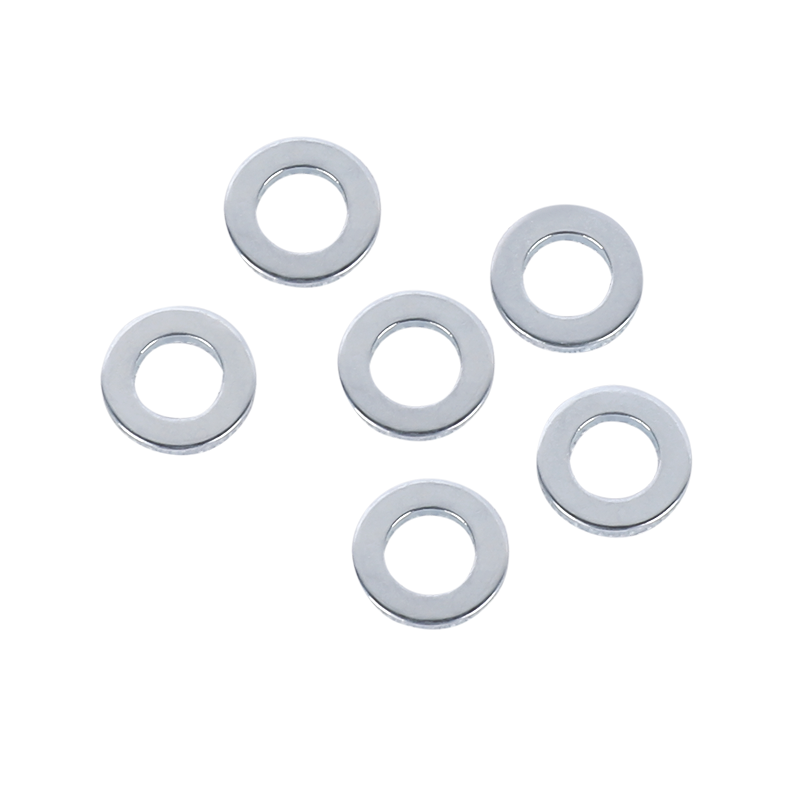
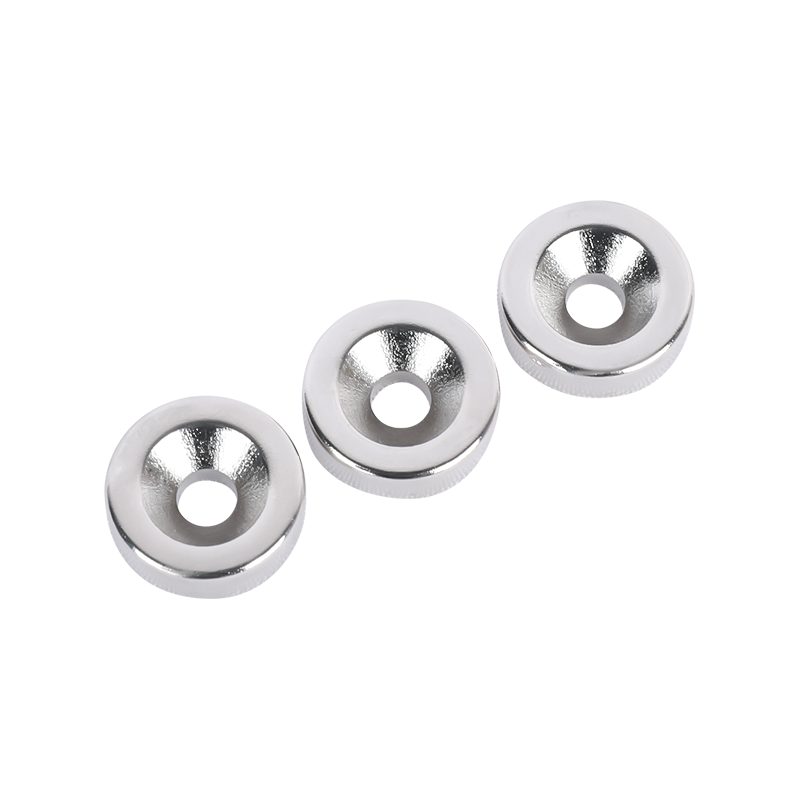
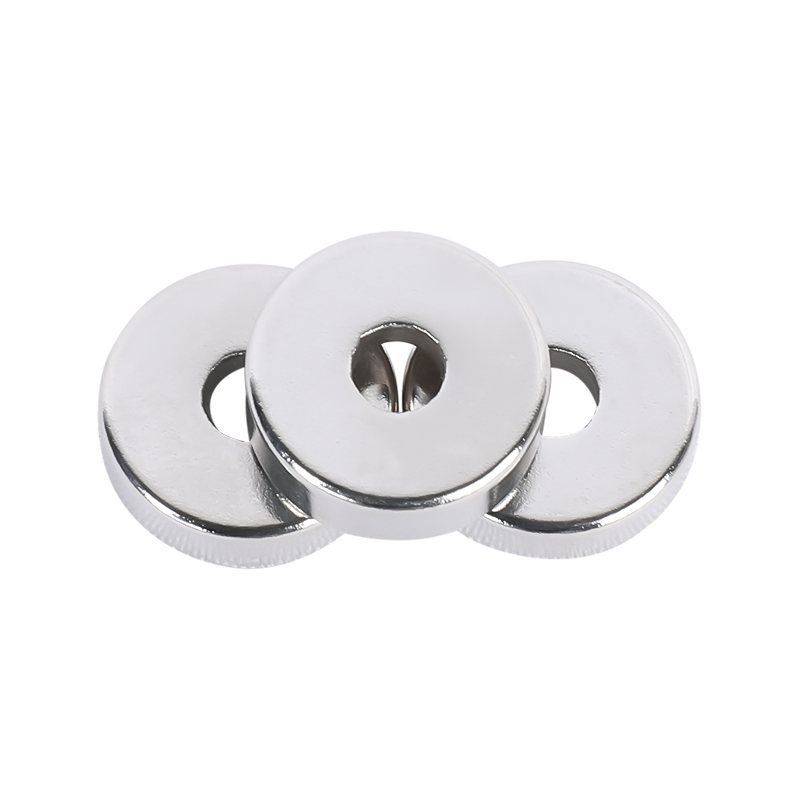
Self Adhesive Magnetic Discs are small, round magnetic pieces with an adhesive surface built right in. The adhesive lets the disc fix onto another material, while the magnetic side interacts with a matching magnetic component or a compatible metal surface nearby.
That creates a simple attachment method without needing a separate fastener bolted or glued in. Depending on the design, a pair of discs can form a magnetic closure together, while a single disc alone can attach an item to a metal surface on its own. An Adhesive Magnetic Disc can therefore serve genuinely different purposes within the same project, sometimes both at once.
| Feature | Practical role |
|---|---|
| Magnetic surface | Creates magnetic attraction |
| Adhesive backing | Attaches the disc to another material |
| Disc shape | Fits small attachment areas |
| Compact structure | Helps keep the finished design neat |
| Flexible application | Supports different craft and organization tasks |
The material sitting between the two magnetic components matters just as much as the discs themselves. Thick or unsuitable material can weaken how effectively the magnets interact with each other, which is exactly why the complete application deserves consideration, not just the disc sitting on its own in a bag from the craft store.
The appeal here really comes down to how simple installation is. Users attach these discs to a suitable surface without drilling holes, fumbling with screws, or building any kind of complicated fastening structure just to close a box.
That matters a lot in projects where appearance counts for something. A small magnetic disc stays hidden behind a decorative layer, tucked inside a package flap, or fixed to the back of an organizational label where nobody ever sees it. They also work well across different product formats — a craft project, a retail package, a storage system, and a display piece can all use magnetic attachment in their own distinct ways without needing separate hardware for each.
For manufacturers, this flexibility makes an Adhesive Magnetic Discs solution suitable for products where a removable or genuinely hidden attachment method beats a permanent one.
The applications here stretch well past simple craft projects. Combining adhesive attachment with magnetic connection lets these discs work across several situations people run into in ordinary daily life.
Magnetic discs offer a real alternative to traditional card closures like ribbon or a wax seal. A small disc attaches behind a decorative layer, letting the front flap stay closed while keeping the overall design visually simple and uncluttered.
This works well for handmade greeting cards, invitations, photo cards, and other paper crafts someone might put together for a birthday or a holiday. The disc needs careful positioning so the two magnetic surfaces actually meet once the card closes. Paper thickness matters here too — if the magnetic components end up separated by several layers of cardstock, the attraction between them can weaken noticeably.
Packaging often needs a closure that opens and closes repeatedly without damaging the box in the process, especially for something meant to be reused as a keepsake.
Self Adhesive Magnetic Discs placed inside a box flap create a hidden magnetic closure that keeps the exterior looking clean while still giving the package a genuinely reusable opening method. This suits gift boxes, presentation packaging, handmade product boxes, and other small containers where a simple, elegant closure adds real value.
| Packaging application | Possible magnetic use |
|---|---|
| Gift box | Hidden flap closure |
| Presentation box | Reusable opening |
| Small product box | Securing a lid |
| Handmade package | Decorative closure |
| Storage box | Repeated access |
The packaging material itself needs enough strength to support the adhesive attachment properly. The magnetic connection also needs to match how the package is actually expected to open and close — a flap opened once a year versus one opened daily calls for different holding strength.
Scrapbooks hold photographs, paper decorations, handwritten notes, pockets, and plenty of movable elements layered together. Traditional glue can make some of these pieces genuinely difficult to reposition once they're stuck down for good.
A magnetic disc offers another route for creating movable sections within a page. It can hold a small flap closed, or let a decorative piece get removed and repositioned later without tearing the paper underneath. That adds another layer of interaction to a scrapbook page without needing a bulky fastening component competing for space with the photos.
It helps to keep the magnetic parts tucked behind the paper or decorative layer wherever possible, which preserves the visual appearance of the finished page rather than leaving a visible disc peeking out from under a photo corner.
Home organization often depends on labels that can actually change as storage needs shift over time, rather than staying fixed in place forever.
A magnetic label attaches to a metal cabinet, shelf, container, or other compatible surface, and when the contents change, the label simply moves or gets replaced instead of staying stuck in the wrong spot. Self Adhesive Magnetic Discs help convert ordinary paper labels into genuinely movable organizational pieces.
This works well in workshops, craft rooms, home offices, and classrooms alike. Different labels can get prepared ahead of time and moved between whatever storage locations actually need them that week, rather than committing to one fixed arrangement from the start.
Photos don't always need to live behind glass inside a frame hung on the wall.
A small magnetic attachment helps build a flexible display system on any suitable metal surface — a fridge, a metal board, a filing cabinet. Photos, notes, illustrations, or small cards can then get rearranged as the display changes week to week. An Adhesive Magnetic Disc attaches to the back of the item, keeping the front completely free of visible hardware or clips.
The material of the photo or card matters before attachment, since lightweight paper generally needs different holding strength than a heavier display piece like a laminated print or a thicker card.
Craft projects often involve small decorative pieces that need attaching without permanently altering the base material underneath them.
Magnetic discs work well behind decorative shapes, fabric pieces, paper ornaments, and other lightweight components, letting the decoration sit on a compatible surface and come off again later without leaving residue. This method also helps whenever a project needs interchangeable decorations rather than a fixed, permanent look.
A seasonal display, for example, can use removable pieces swapped out as the theme changes through the year — snowflakes in winter, flowers in spring. The magnetic attachment stays part of a genuinely reusable system rather than becoming a permanent fixture tied to just one display.
Home organization goes further than labels alone. Small magnetic attachments also help keep lightweight notes, reminders, and organizational accessories in genuinely convenient spots around the house.
A self-adhesive disc attaches to a suitable surface or item depending on the specific application, creating a movable attachment point without adding bulky hardware that clutters up a clean cabinet front. Cabinet doors, metal storage units, filing areas, and workshop furniture all offer useful surfaces for this kind of organization.
It's worth checking the surface material and adhesive compatibility before installation, though. Painted, textured, dusty, or uneven surfaces can all affect how well the adhesive actually stays attached over time, especially somewhere that gets touched or bumped often.
Magnetic attachments make information a lot easier to rearrange on the fly.
In an office, small signs, notes, schedules, or visual materials often need to move from one location to another as priorities shift through the week. In classrooms, teachers and students use movable cards or craft pieces for activities that change from lesson to lesson. Self Adhesive Magnetic Discs placed behind these items turn them into genuinely reusable display pieces.
This proves especially convenient when a layout changes regularly rather than staying fixed. Instead of attaching each item permanently and committing to one arrangement, users can simply move the magnetic pieces around as the display evolves.
Decorations often need installing only temporarily, for one evening or one weekend and no longer.
Magnetic attachment offers a way to place lightweight decorative pieces on suitable metal surfaces and pull them off cleanly after the event wraps up, cutting down on the need for permanent attachment methods that leave marks behind. A disc hides behind a decorative element, keeping the front surface looking visually clean the whole time it's up.
This method works for signs, themed decorations, table displays, and other temporary craft arrangements put together for a birthday party or a holiday gathering. How well it holds up really depends on the weight of the decoration and the surface it's actually going onto.
Size and magnetic strength deserve real consideration based on the actual application, rather than treated as two separate specs picked independently of each other.
A small, lightweight paper decoration doesn't need the same holding force as a packaging flap or a heavier craft element bearing real weight. Using a larger or stronger component than the job actually calls for can also throw off the appearance and flexibility of a finished product, making something meant to look delicate feel bulky instead.
The available attachment space matters just as much here.
| Application | Selection consideration |
|---|---|
| Paper craft | Compact size and easy placement |
| Gift packaging | Closure strength and hidden installation |
| Storage label | Surface compatibility |
| Photo display | Item weight and movement |
| Furniture accessory | Adhesive contact and magnetic attraction |
The number of discs used in a given project can shift the overall holding effect too. Two smaller attachment points distribute the connection differently than one larger point carrying the whole load alone. Before placing an order, it helps to test the complete material combination directly — this gives a much clearer sense of how the disc actually behaves once paper, cardboard, fabric, plastic, or another covering material sits between the magnets.
Magnetic material is another real consideration when selecting discs for a project. Ferrite and neodymium count as the two common options, but they carry genuinely different characteristics worth weighing.
Ferrite magnets tend to offer a practical balance between cost, durability, and general magnetic performance across a lot of everyday applications. They suit projects where compact size isn't really the main concern driving the decision.
Neodymium magnets deliver stronger magnetic attraction packed into a smaller form. That proves useful whenever the available installation space is genuinely limited, or when a compact magnetic component matters more than raw size for a particular application.
| Material | General consideration |
|---|---|
| Ferrite | Suitable for many general magnetic applications |
| Neodymium | Useful where strong attraction and compact size matter |
Material selection shouldn't rest on magnetic strength alone, though. The working environment, item weight, available space, surface condition, and adhesive requirements all feed into the final choice together. Manufacturers also do well considering whether the selected magnetic material genuinely fits the intended production process and overall product design, not just the magnet's raw pull strength.
The adhesive side is just as important as the magnetic side in a self-adhesive product, even though it often receives less attention when these discs are discussed.
A magnetic disc can carry perfectly suitable magnetic properties and still perform poorly if the adhesive doesn't match the surface or the application it's meant for. Surface cleanliness, texture, material type, and handling conditions all affect how well adhesion actually holds up over time. An Adhesive Magnetic Discs solution really needs evaluation as one complete component rather than two separate features judged in isolation.
Before applying the product, it is worth checking the recommended surface conditions and installation instructions. Cleaning away dust, oil, and loose material helps create a clean contact area where the adhesive can bond properly.
How the disc gets handled during application matters too. Pressing it firmly against a suitable surface and letting the adhesive settle according to the product's instructions supports a far more stable attachment than a quick, careless press and moving on immediately.
Bulk purchasing demands more than just checking how a single unit looks and feels in your hand.
A buyer often needs to weigh consistency across batches, packaging, adhesive options, magnetic material, shape, and the intended application all together. These factors shape how easily the components actually fit into a production line or a craft business's regular workflow.
For packaging manufacturers, the discs might get installed repeatedly across hundreds or thousands of boxes over a production run. For craft suppliers, they might get sold as standalone components for many different customer projects. Clear product information from a supplier makes this whole process a lot easier to manage.
Worth asking a supplier about before committing to a bulk order: what magnetic materials are actually available, what adhesive options exist, how surface compatibility gets confirmed, what packaging methods are used, how consistent the product stays across batches, whether custom shapes or sizes are possible, what application recommendations the supplier can offer, and what storage requirements the product needs before use. A Self Adhesive Magnetic Discs supplier should also be able to explain clearly how the product's meant to be handled and applied in practice, not just hand over a spec sheet.
Manufacturers working with magnetic components benefit from considering the entire product rather than picking a disc in isolation from everything it'll actually be attached to.
A packaging designer may focus on how well the attachment handles repeated opening and closing during regular use. A craft manufacturer may place more emphasis on appearance and straightforward assembly within the production process. A storage product designer may need a movable attachment that suits the surface types customers commonly have at home. These different priorities can influence which magnetic solution fits each application.
| Product area | Main design concern |
|---|---|
| Crafts | Appearance and easy attachment |
| Packaging | Closure and repeated opening |
| Home organization | Movement and surface compatibility |
| Displays | Item weight and repositioning |
| Retail products | Consistent assembly |
Testing the magnetic disc with the actual product material tends to reveal issues that never show up during component selection on paper alone. This matters especially when the disc will sit hidden behind several layers of material, since the complete assembly can behave quite differently from how the loose magnetic component performed sitting on a workbench by itself.
Small components can have a genuinely noticeable effect on how a finished product gets assembled and actually used once it's in someone's hands.
When magnetic discs get considered early, during the design stage itself, manufacturers can decide where attachment points should sit, how the material will cover them, and how users will eventually open or remove the finished component. That tends to prevent unnecessary changes later once production's already underway and costly to adjust.
A practical development process defines the purpose of the magnetic attachment first, checks the material that'll actually carry the disc, considers the available installation space, compares suitable magnetic materials against each other, tests the adhesive against the intended surface directly, and checks the complete product during normal, everyday use rather than just a lab test. The goal was never simply adding a magnet somewhere convenient. It's building an attachment method that fits naturally into the finished product rather than feeling bolted on as an afterthought.
For craft users working on a much smaller scale, the same principle still applies. A quick test with the actual paper, cardboard, fabric, or plastic involved helps determine whether the chosen Adhesive Magnetic Disc actually suits the project before committing to a larger, more involved build.
As craft, packaging, and home-organization products keep leaning on compact attachment methods, Self Adhesive Magnetic Discs offer a genuinely practical way to combine magnetic connection with simple surface attachment. Their real usefulness comes down to choosing the right material, size, adhesive, and placement for each specific application, rather than treating every project as though it needs exactly the same solution.
 +86-18072358700
 8 Nanshanghu West Village, Hengdian Town, Dongyang City, Zhejiang Province, China.
Copyright © Dongyang Ma Li Magnet Co., Ltd. All Rights Reserved. Custom Industrial Magnets Manufacturers

 English
 Español
 日本語