
EN

Magnets are often small parts of a much larger product. They may sit inside a case, behind a panel, under a cover, or within a moving component. Because they can work without taking up much visible space, they have become useful in many types of product design.
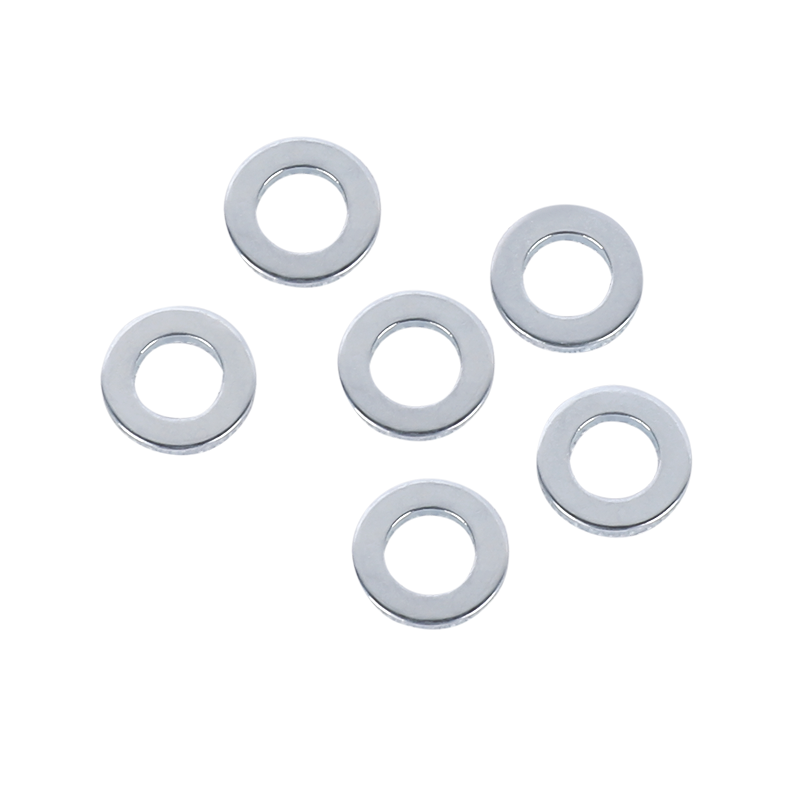
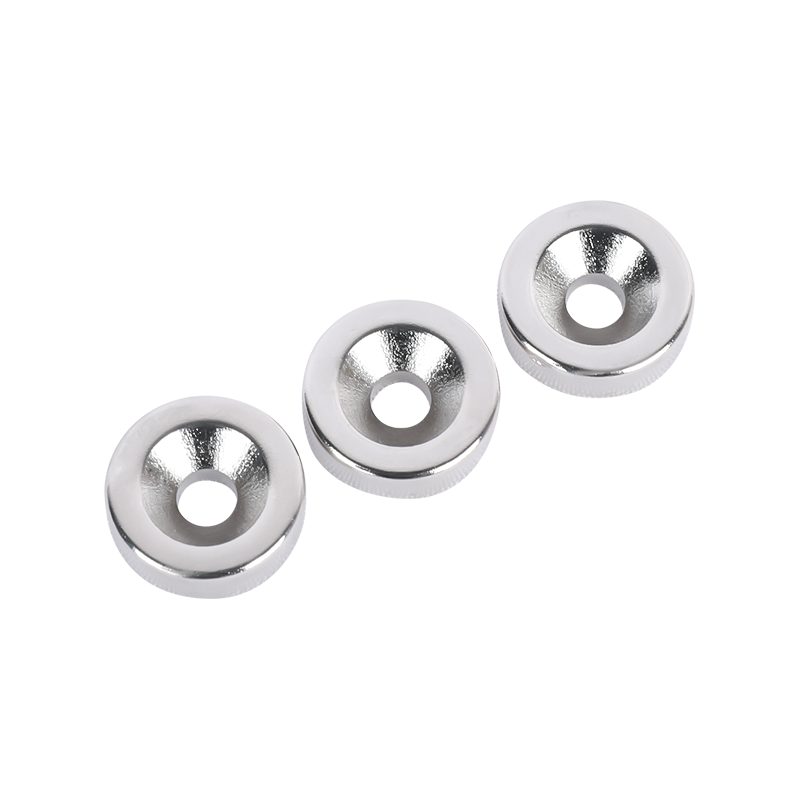
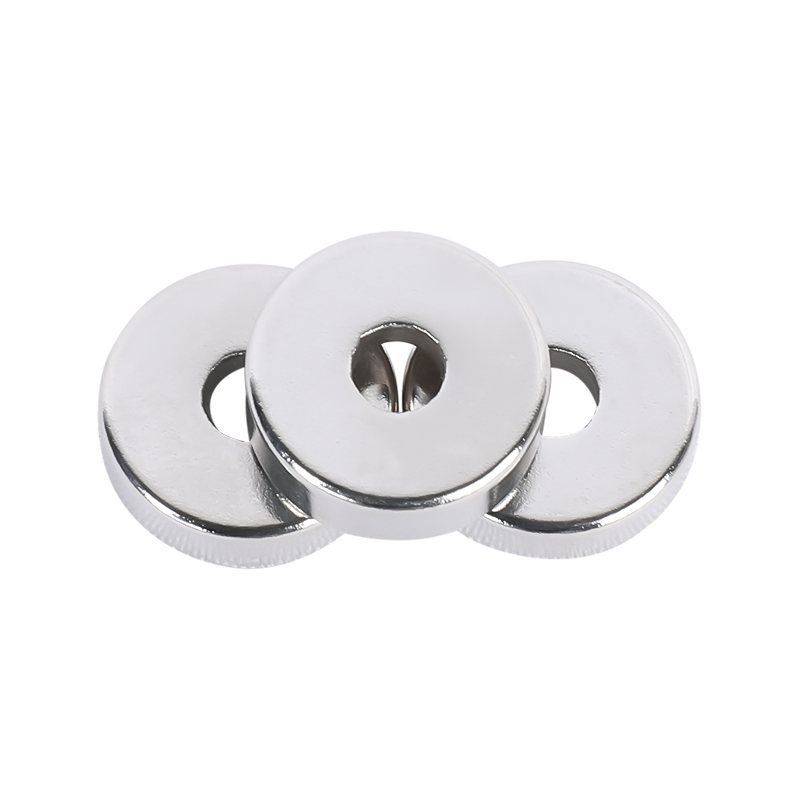
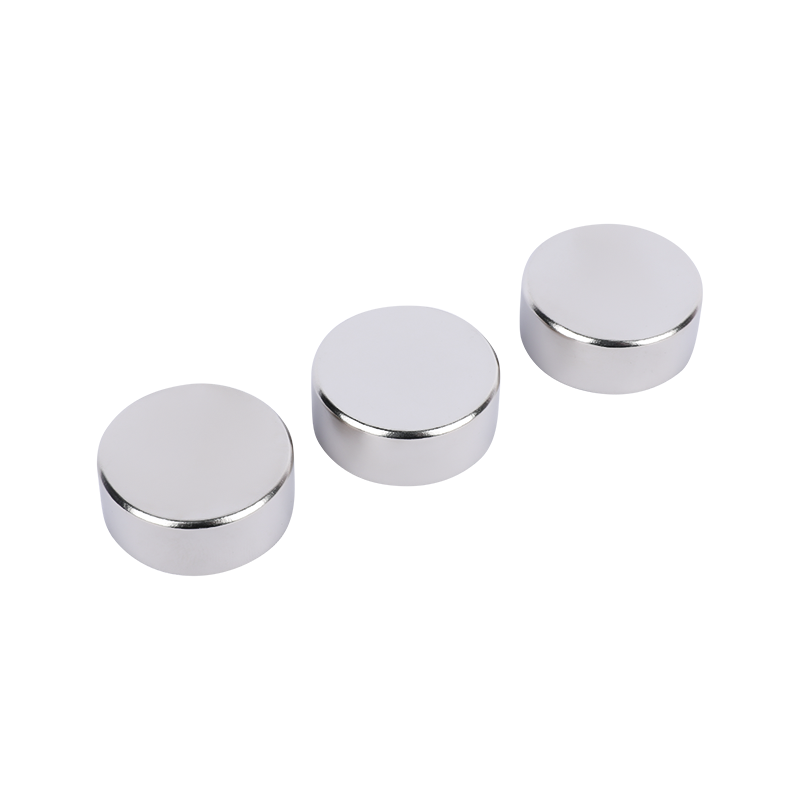
Round Permanent Magnets are one example. Their circular shape can fit naturally into different structures. They may be used to hold parts together, support positioning, create a removable connection, or help a product open and close.

Their role is not limited to industrial equipment. Everyday products can also use round permanent magnets in simple and practical ways. Storage boxes, furniture parts, packaging, displays, accessories, and household products may all include magnetic components.
The application changes from product to product. A magnet used in a small box may have a very different role from one used in an industrial assembly. Yet the basic idea remains similar. A small magnetic component can become part of a larger product function without making the design complicated.
As product designs become more compact, manufacturers and designers continue to consider how small components can support convenient use. This gives Round Permanent Magnets a place in both everyday products and industrial applications.
Product design often involves balancing function and appearance. A component needs to perform its intended role while fitting into the available structure.
A magnet can be integrated into many designs without becoming a major visual feature. It can be placed inside a product or positioned against another component. This gives designers room to create connections that are simple on the outside.
The circular shape is also practical for different forms of placement. Depending on the product, a magnet may sit inside a prepared space or work with another component that has been designed to receive it.
Another useful feature is the possibility of creating removable connections. Not every product needs two parts to remain permanently attached. A cover, panel, case, or accessory may need to be removed during normal use.
A magnetic connection can support this type of interaction. The user can separate the parts when access is needed and bring them together again afterward.
This makes Magnets relevant to products where repeated handling is part of the experience.
| Product requirement | Possible role of a round permanent magnet |
|---|---|
| Holding two parts together | Supports a simple connection |
| Keeping a component in position | Helps reduce unwanted movement |
| Opening and closing | Supports a convenient closure |
| Connecting removable parts | Allows parts to separate when needed |
| Keeping the outer design clean | Can be placed inside the product |
| Supporting modular designs | Helps separate parts connect together |
The magnet is rarely the only part responsible for the final result. Its value depends on how well it works with the surrounding product structure.
Many everyday products need small connections. A box needs to stay closed. A cover needs to remain in place. A removable part may need to return to a familiar position.
These simple needs create opportunities for magnetic components.
Storage products are one common area. Small organizers, containers, cases, and boxes can use magnets to keep covers or sections in place. The magnetic component can remain hidden, leaving the outside of the product relatively simple.
Furniture can also include magnetic parts. Small cabinet doors, decorative panels, removable covers, and storage sections may use magnetic connections. In these applications, the magnet can support the movement of a part without becoming a visible part of the furniture.
Packaging provides another example. Reusable boxes and presentation cases may use magnetic closures to create a straightforward opening and closing experience. This can be useful when the package is designed to be opened several times rather than discarded after a single use.
Household accessories may also benefit from magnetic connections. A removable holder or small cover can be easier to handle when it does not require a complicated fastening method.
The role of the magnet may seem minor. Yet small details often influence how a product feels during daily use.
A product that opens smoothly, keeps a cover in place, or allows a component to be removed can feel more practical. The magnet helps create that experience while remaining relatively unobtrusive.
Industrial products often contain many separate components. Some need to remain fixed during operation. Others may need to move, open, close, or be removed for maintenance.
Magnets can be considered for these types of applications.
They may help hold a small component in position or support the connection between two parts. In an assembly, a magnetic connection can provide a convenient way to locate one component in relation to another.
Industrial equipment can also include covers and access panels. These parts may need to stay closed during normal use but remain removable when inspection or maintenance is required.
A magnetic solution can support this type of design without adding a complicated visible fastening feature.
The same principle can apply to fixtures and work-related products. A removable tool, guide, panel, or accessory may need to stay in a planned position while still being easy to take away.
In this setting, the magnet becomes part of the product's interaction system.
Industrial designers also need to consider the environment around the magnet. Materials, movement, surrounding components, and the intended use all affect how a magnetic connection should be incorporated.
This means the selection process should begin with the product requirement rather than the magnet alone.
Holding and positioning are common needs in both consumer and industrial products.
A component may need to stay in a particular location without being permanently fixed. For example, a removable panel could need to return to the same place after being taken away. A small accessory might need to remain attached to a holder during normal use.
A magnetic connection can help create this relationship.
The round shape can be convenient when a product has limited space around the connection point. It can also work with compact product structures where larger fastening parts would make the design more difficult.
Positioning is especially relevant when two parts need to meet in a repeatable way. The magnetic connection can guide the parts toward each other and help them remain together.
This does not mean that a magnet can replace every type of fastening method. Product designers need to understand how the parts will move and what the connection is expected to do.
For a lightweight cover, the magnetic component may simply help keep the cover in place. For another product, the magnet may be part of a larger assembly system.
The application should therefore determine the role of the magnet.
Opening and closing are basic product interactions, but they can have a noticeable effect on everyday use.
A closure needs to keep two parts together when required. At the same time, the user should be able to open the product without unnecessary effort.
Permanent Magnets can be incorporated into closures for cases, containers, boxes, panels, and other products.
A hidden magnet can help maintain a clean outer surface. This can be useful for products where visual simplicity matters.
Magnetic closures can also support repeated use. A product may be opened to access its contents and closed again afterward. The same connection can be used each time without requiring a separate fastening step.
The design of the surrounding parts remains important. The magnet needs to work with the movement of the product. Its position should make sense within the closure rather than being added as an afterthought.
For this reason, designers often consider the magnetic component while developing the product structure.
The result can be a product where the closure feels like a natural part of the design. The user may not even notice the magnet itself. What they notice is the way the product opens, closes, and stays together.
Some products are designed with parts that need to come off from time to time.
A removable panel may make cleaning easier. A detachable cover may provide access to another part of the product. A display element may need to be changed when the product arrangement changes.
Traditional fastening methods can work in these situations, but they may require tools or add visible hardware.
A magnetic connection offers another approach.
Permanent Magnets can be placed within the connected parts so that the components remain together during normal use but can be separated when needed.
This concept can be useful in displays and presentation products. A sign, sample holder, decorative panel, or product accessory may need to be repositioned. A magnetic connection can allow changes without permanently fixing the component.
The same idea can appear in household products. A removable cover can be easier to handle when the user does not need to deal with a separate fastener.
Industrial products can use a similar concept for access panels and removable components. The exact application depends on the structure and the expected use.
This type of design also supports product maintenance. When a part can be removed without changing the entire assembly, routine access can become more straightforward.
Function is not the only concern in product development. Appearance also influences how a product is designed.
Visible hardware can sometimes interrupt a simple surface. Designers may therefore look for ways to keep functional components less noticeable.
Round Permanent Magnets can be placed inside a product structure. This allows the magnetic function to remain present while the outer surface stays visually simple.
This approach can work well with furniture, packaging, cases, displays, and consumer accessories.
The magnet can also become part of a visible design when that suits the product. A dark or simple magnetic component may fit into a product with an industrial or practical appearance.
This creates two different design directions. The magnet can be hidden to support a clean appearance, or it can be included as a visible functional detail.
The choice depends on the product concept.
A useful design process considers both options before the structure is finalized. If the magnet will be hidden, enough space needs to be planned inside the product. If it will remain visible, its appearance needs to work with the surrounding materials.
Small components can therefore influence more than function. They can also affect how a finished product looks and feels.
Choosing a magnetic component should begin with the application.
Manufacturers and product designers can look at several basic questions before deciding how a Round Permanent Magnet will fit into a product.
These questions apply across both everyday and industrial products.
The growing interest in compact product structures also gives manufacturers more opportunities to consider small magnetic components during design. A Round Permanent Magnet may become part of a closure, a holder, a positioning feature, or a removable connection.
Its final role depends on the product around it.
In a household container, it may help keep a cover closed. In furniture, it may support a small door or panel. In packaging, it may provide a reusable closure. In industrial equipment, it may help position or hold a removable component.
The applications are different, but the design principle remains straightforward: use a compact magnetic element where a simple connection can make the product easier to assemble, use, maintain, or organize.
 +86-18072358700
 8 Nanshanghu West Village, Hengdian Town, Dongyang City, Zhejiang Province, China.
Copyright © Dongyang Ma Li Magnet Co., Ltd. All Rights Reserved. Custom Industrial Magnets Manufacturers

 English
 Español
 日本語