
EN

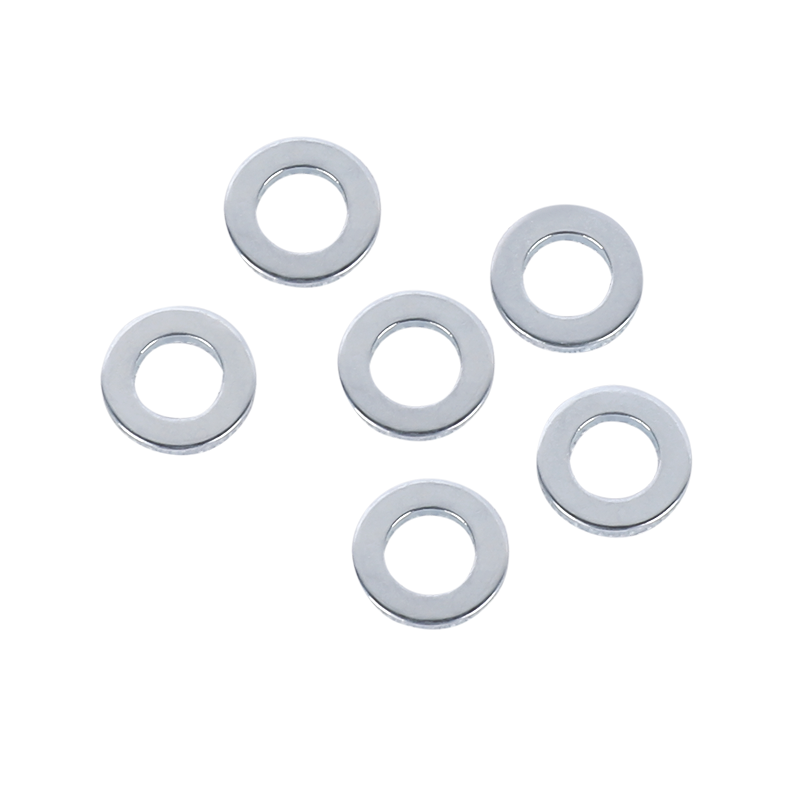
Round ferrite magnets turn up in all sorts of products, from speakers and small motors to household items and industrial equipment. Their circular shape makes them a natural fit for applications that need a compact magnetic component tucked into a tight space. Choosing one, though, involves a lot more than just checking whether it physically fits into a product. Its size also shapes how it interacts with nearby materials, how much room it takes up, and how well it actually meets the needs of the final application.

For manufacturers, product designers, and purchasing teams, getting a real feel for the relationship between magnet size and performance can head off design problems before they turn into expensive fixes. A larger magnet doesn't automatically deliver the right magnetic effect, while a smaller one might not offer enough magnetic influence for a given task. The actual result hinges on several factors working together, including the magnet's diameter, thickness, shape, material properties, and installation environment.
When selecting a round ferrite magnet, buyers need to weigh both its physical dimensions and its intended use side by side. A sensible choice balances magnetic requirements, available space, manufacturing needs, and the overall product design, rather than fixating on any one factor alone.
The size of a round ferrite magnet shapes both its physical presence and its magnetic behavior. Diameter and thickness determine how much material actually goes into the magnet and influence the space available for magnetic interaction. These same dimensions also affect how the magnet fits into an assembly and how it works alongside other components around it.
A wider magnet can spread its magnetic influence across a larger area. That proves useful when an application calls for a broader magnetic field or a bigger contact area. That said, increasing the diameter doesn't mean every part of the surrounding space suddenly experiences a stronger magnetic effect. The real result depends on the magnet's material, magnetization, and distance from the target.
Thickness plays an important role too. A thicker magnet contains more magnetic material when other dimensions and material properties stay comparable. That can shape its magnetic performance and how its field extends around the component. Still, thickness alone can't determine whether a magnet actually suits a particular application on its own.
The relationship between size and performance isn't, then, a simple matter of just reaching for the bigger option. A round ferrite magnet needs to work within the conditions of the complete assembly it's going into. The same exact dimensions might suit one product perfectly while falling flat on another, simply because their magnetic requirements and installation spaces differ.
For product developers, the real question isn't how large the magnet can get. It's whether its dimensions genuinely support the function of the finished product.
Diameter ranks among the main dimensions considered when picking a round ferrite magnet. It shapes the magnet's overall footprint, how much material sits available across its face, and its relationship with nearby components.
A larger diameter can pay off when a design needs magnetic coverage spread across a wider area. Some speaker assemblies, for instance, use round ferrite magnets as part of the magnetic system supporting sound production. The magnet has to fit the structure while delivering a magnetic field suitable for the components around it. Its diameter, then, gets considered right alongside the overall speaker design, not separately from it.
Smaller diameters suit compact assemblies well. They let designers work within tight spaces and can leave more room for other parts crammed into the same housing. That matters a lot in household products, small electrical devices, and equipment where internal space is already stretched thin.
Shrinking the diameter, though, can also limit how much magnetic material is actually available. Depending on the application, that might affect the magnetic field needed for reliable operation. A compact magnet really deserves evaluation based on its intended function, rather than getting picked on size alone.
Diameter shapes mounting and positioning too. If the magnet runs too wide, it might interfere with nearby components or force changes to the product housing. Too narrow, and the mounting area might not provide the support it's supposed to. Either situation tends to pile on extra design work and make assembly trickier than it needs to be.
When comparing round ferrite magnets, buyers do well weighing the available installation area, the required magnetic coverage, and where surrounding parts actually sit. These factors together help narrow down a useful diameter range before anyone commits to a final product.
Thickness influences the amount of ferrite material contained in a round magnet and can affect its magnetic behavior. Even when two magnets have the same diameter, differences in thickness may lead to different results in the same application.
A thicker magnet may provide a different magnetic field distribution from a thinner one. It may also be more suitable when a product design allows greater depth and requires a particular magnetic effect. This is one reason thickness should be evaluated separately from diameter instead of treating all round magnets with similar face dimensions as interchangeable.
A thinner magnet can help reduce the depth of an assembly. This may benefit products in which space is limited or where the magnet needs to sit close to a surrounding surface. It can also make the overall structure easier to accommodate within a compact housing.
However, reducing thickness may change the magnetic performance. If the design depends on a particular field strength or field distribution, the thinner option may not provide the required result. Increasing thickness may also create practical challenges, such as reducing the room available for other components or changing the position of the magnetic source.
The intended magnetic direction matters as well. Round ferrite magnets can be magnetized in different directions according to their design and application. A magnet's thickness cannot be assessed independently of its magnetization and the position of the parts it needs to influence.
Designers should therefore compare diameter and thickness as a combined set of dimensions. The aim is to find a shape that supports the required magnetic behavior without creating unnecessary difficulties during installation or product assembly.
A larger round ferrite magnet may contain more magnetic material than a smaller one made from a comparable material. This can influence its magnetic performance. However, physical size alone does not establish the magnetic effect that an application will experience.
The material properties of the magnet are important. Different ferrite formulations and manufacturing conditions can influence magnetic characteristics. Magnetization also matters because it determines how the magnetic poles are arranged and how the field develops around the component.
Distance is another important factor. A magnetic field changes as the distance from the magnet changes. A magnet that provides a suitable effect when placed close to a target may behave differently when a gap is introduced. In some products, the space between the magnet and the working component is a major part of the design.
Nearby materials and structural features can also affect the result. Metal parts, housings, mounting brackets, and other magnetic components may influence how the magnet interacts with its surroundings. As a result, the performance of a magnet installed in a finished product may differ from what a buyer expects based only on its external dimensions.
Consider a product that uses a round ferrite magnet to hold a component in position. Increasing the magnet's size may not solve the problem if the main issue is an excessive gap between the magnet and the target. Adjusting the mounting arrangement could be more useful than selecting a larger magnet.
The same principle applies to other applications. If a magnetic component does not perform as expected, the cause may involve size, material, magnetization, distance, or the surrounding structure. Evaluating these factors together provides a clearer basis for selection.
Physical dimensions influence more than magnetic behavior. They also determine how a round ferrite magnet fits into a product and how easily it can be assembled with other components.
In compact equipment, the available internal space may be limited by wiring, fasteners, housings, or moving parts. A magnet with a larger diameter or greater thickness could interfere with these elements. Designers may need to alter the housing or reposition other components to accommodate it.
A smaller magnet can make layout planning easier, but it must still provide the magnetic function required by the product. If its dimensions are reduced without considering performance, the finished assembly may need additional magnets or a different arrangement. Such changes can complicate production and increase the number of design decisions.
Mounting is another consideration. Round ferrite magnets may be installed in recesses, attached to supporting structures, or integrated into a larger assembly. The shape and dimensions of the magnet need to match the mounting method. An unsuitable fit can create movement, alignment problems, or difficulty during assembly.
Ferrite magnets are also relatively hard and brittle compared with many metal components. Their size, edge design, handling method, and supporting structure should be considered together. A magnet that fits the available space may still require careful handling to avoid chipping or cracking during installation.
For manufacturers, checking dimensions during the design stage can help identify potential problems before production begins. A clear drawing should communicate the required diameter, thickness, shape, and relevant mounting details. When necessary, a sample can help confirm that the magnet fits the actual assembly.
Different applications place different demands on round ferrite magnets. The dimensions that work for one product may not suit another, even when both products use magnets made from similar materials.
Speaker systems
Round ferrite magnets are commonly used in speaker assemblies. Their dimensions need to match the surrounding magnetic structure and the available housing space. Designers consider the required magnetic behavior, the position of other components, and the physical layout of the speaker. A change in magnet size may require adjustments to the assembly rather than a direct substitution.
Motors and electrical equipment
Some motors and electrical devices use ferrite magnets as part of their magnetic systems. Size selection needs to account for the space available, the arrangement of other components, and the required operating behavior. A magnet that occupies too much space can interfere with the design, while a smaller one may not provide the intended magnetic effect.
Household products
Magnets may be incorporated into closures, holders, positioning systems, and other household products. In these applications, compact dimensions can be useful, but the magnet must still provide sufficient attraction or positioning support for its intended role. Product designers also consider appearance, mounting, and the way users handle the finished item.
Industrial assemblies
Industrial products may use round ferrite magnets for positioning, holding, or other magnetic functions. The working environment and installation arrangement can influence the choice of size. Buyers may need to consider vibration, surrounding materials, available mounting space, and the need for consistent performance across multiple units.
These examples show why there is no single size that suits every application. The appropriate dimensions depend on the job the magnet must perform and the conditions in which it will operate.
Buyers can make the selection process more effective by defining the product requirements before requesting samples or placing an order. A clear specification helps manufacturers understand the application and recommend a suitable design.
| Selection factor | Why it matters | Questions to consider |
|---|---|---|
| Diameter | Determines the magnet's footprint and available face area | How much space is available for the magnet? |
| Thickness | Influences material volume and magnetic behavior | Can the assembly accommodate a thicker magnet? |
| Magnetic requirements | Connects the magnet's performance with its intended function | What magnetic effect must the magnet provide? |
| Magnetization direction | Affects how the magnetic field is arranged | Where must the magnetic poles be located? |
| Installation method | Determines how the magnet fits into the finished product | Will it sit in a recess, attach to a support, or be integrated into a housing? |
| Surrounding components | Can affect field behavior and physical clearance | Are there nearby metal parts or other magnets? |
| Production needs | Influences repeatability, inspection, and assembly | Can the selected design be produced and checked consistently? |
Buyers should also explain whether the magnet will be used in a new design or replace an existing component. For a replacement, the original dimensions and operating conditions provide a useful starting point. However, matching the external shape does not always guarantee equivalent magnetic performance.
For a new product, it can be helpful to share a drawing or sample of the assembly. The manufacturer can then assess the available space and discuss possible dimensions. If the application has specific magnetic requirements, these should be described clearly instead of relying on size as a substitute for performance information.
The purchasing process should also distinguish between essential requirements and flexible design choices. Some products have strict space limits, while others allow changes to the magnet's diameter or thickness. Understanding which dimensions can be adjusted makes it easier to compare suitable options.
A round ferrite magnet manufacturer can support the selection process by reviewing the intended use, physical dimensions, and installation conditions. This discussion is particularly useful when the buyer is developing a new product or adapting an existing design.
The process often begins with the application. The manufacturer needs to understand what the magnet must do, where it will be installed, and which components will be located nearby. These details help establish whether the proposed size is practical and whether further design checks are needed.
Drawings and samples can help clarify dimensional requirements. A drawing communicates the intended shape and fit, while a sample allows the buyer to check how the magnet interacts with the actual assembly. If magnetic behavior is important to product function, evaluation should consider the assembled system rather than the magnet in isolation.
Manufacturing consistency is also relevant. Differences in dimensions, magnetization, or material characteristics may affect the performance of the finished product. Buyers should discuss the inspection process and the characteristics that need to remain consistent across production batches.
When a proposed magnet does not meet the application's needs, the solution may involve adjusting its diameter, changing its thickness, revising the mounting position, or reviewing the surrounding structure. A larger magnet is only one possible option. In some cases, a change to the assembly may offer a more practical path.
Clear communication between buyers and manufacturers can reduce avoidable design changes. By considering size, magnetic requirements, installation conditions, and production needs together, both sides can work toward a round ferrite magnet that fits the product and performs its intended role.
 +86-18072358700
 8 Nanshanghu West Village, Hengdian Town, Dongyang City, Zhejiang Province, China.
Copyright © Dongyang Ma Li Magnet Co., Ltd. All Rights Reserved. Custom Industrial Magnets Manufacturers

 English
 Español
 日本語