
EN

Anything with a turning shaft — a pump, a small motor, a rotating sensor housing — depends on parts working together without grinding against each other more than they have to. Magnets offer one way to manage that interaction, letting a designer transfer motion or hold a relationship between moving parts without every surface touching the next one directly.
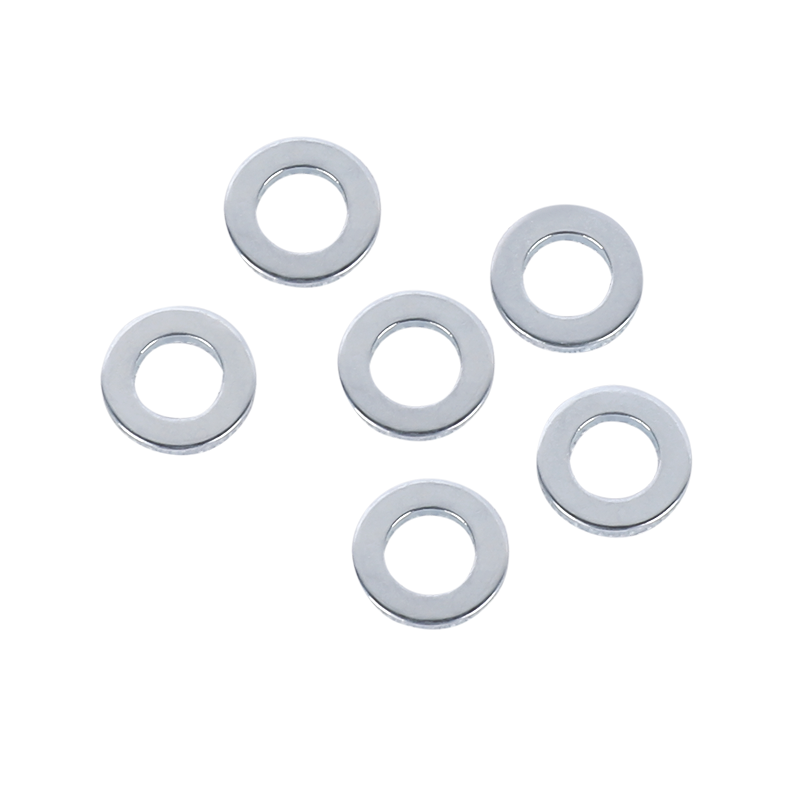
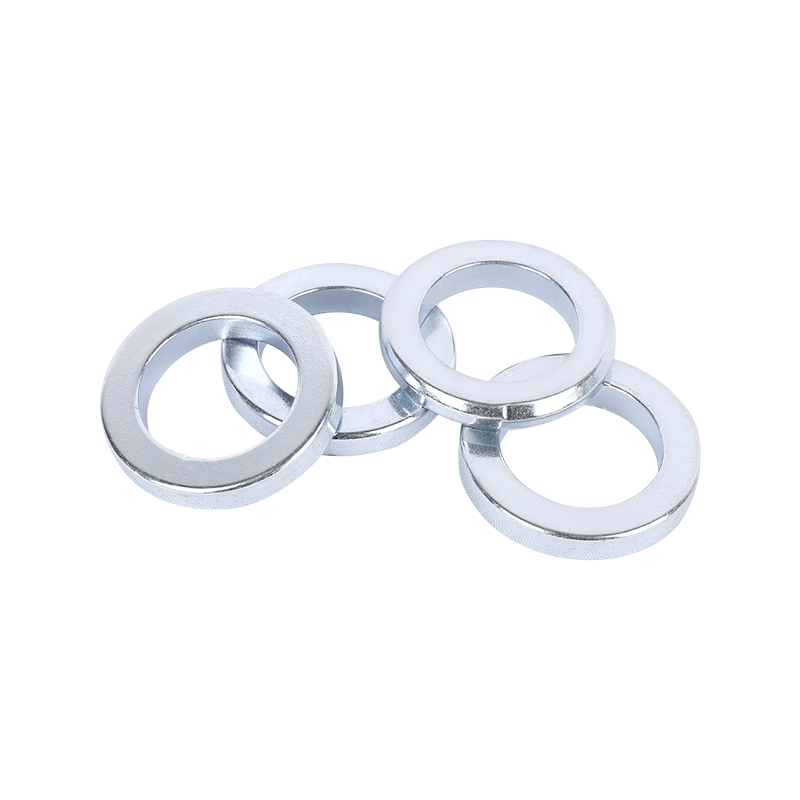
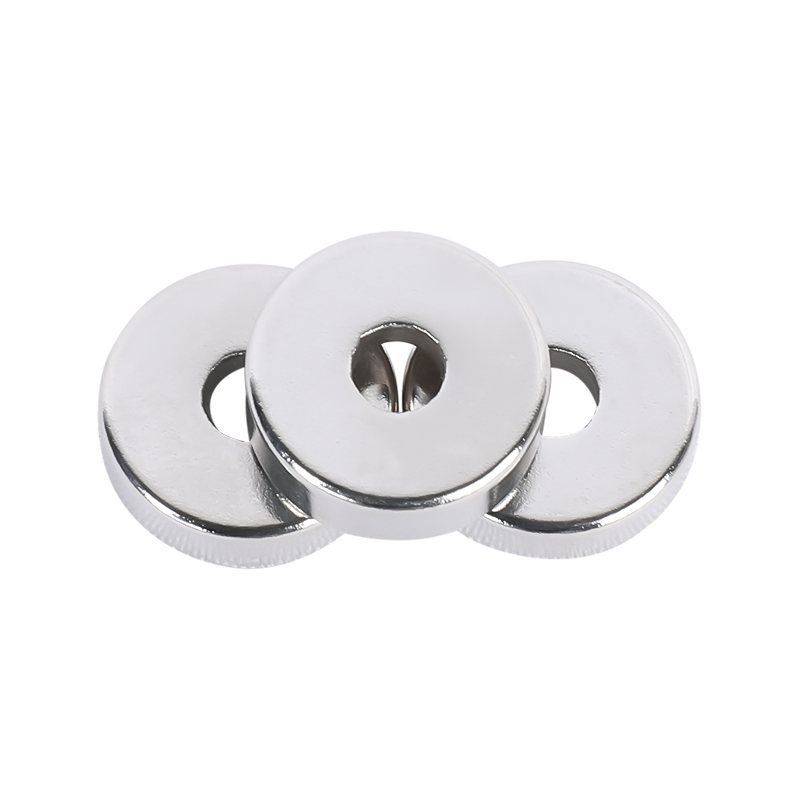
That's part of why ring-shaped permanent magnets keep showing up in these designs. An NdFeB Ring Magnet can sit inside a rotating assembly and use attraction or repulsion as part of how the mechanism actually works. Its circular shape also happens to match the geometry of a shaft, so it tucks into a rotating structure in a way a rectangular block never quite manages.
None of that makes a ring magnet a fix for every rotating design on its own. What it does is give an engineer another tool, and whether that tool earns its place depends on the surrounding components, how the assembly moves, how much room there is to install it, and the conditions it will run in once the equipment leaves the workshop. As products keep shrinking and mechanical systems get packed tighter, more manufacturers are looking at magnetic components as a way to solve space and contact problems that used to require bulkier hardware.

A ring can wrap around a shaft the way a washer does, which gives it an obvious advantage over a magnet shaped like a brick when space around the center of rotation is tight. Rotating equipment rarely has spare room right at the axis, so a magnet that follows the same circular path as the shaft doesn't compete for space the way an oddly placed block magnet would.
This matters in systems where magnetic interaction needs to occur around a central axis — such as a small drive mechanism enclosed within a sealed housing, where the space around the shaft is already occupied by bearings, seals, or a support sleeve. Instead of attaching separate magnets to an unrelated bracket, a designer can integrate the magnetic element directly into the circular geometry already present.
Depending on the product, that ring might do more than one job. It can help generate movement, support a positioning function, assist a sensor in detecting rotation, or form a magnetic bridge between two rotating parts that never actually touch. A rotating shaft assembly might use it purely for magnetic interaction around the shaft itself; a positioning system might rely on it to help confirm where a part sits at any given moment; compact equipment might use it simply because the circular shape is the only one that fits.
The point worth holding onto is that ring magnets aren't tied to one category of machine. Their shape gives a designer flexibility across very different rotating structures, from a household appliance motor to an industrial positioning stage.
A shaft provides a natural center for rotating mechanisms, and placing a ring magnet around or near it allows the magnetic field to interact with another magnetic or responsive component nearby. This relationship can support movement without requiring every component to make direct physical contact, changing how the moving parts interact mechanically.
The exact arrangement depends on what the mechanism needs to do. Sometimes the magnet gets fixed directly to the rotating part; sometimes it sits inside a housing; sometimes it's positioned facing another magnetic element across a small gap. Each of these setups behaves differently, and none of them is a drop-in replacement for another.
Alignment carries a lot of weight in all three cases. The magnet and whatever it's interacting with need to stay in roughly the same relationship to each other as the shaft spins, because even a small shift in positioning changes how the magnetic interaction behaves — sometimes subtly, sometimes enough to throw off the whole mechanism. The shaft itself isn't a passive bystander either; changes in its alignment or support can ripple through to how the magnet performs, which is why the magnet should get chosen as part of the full rotating assembly rather than picked in isolation and hoped into place later.
In practice, this usually means magnet suppliers and mechanical design teams end up working through the details together rather than handing off a spec sheet and calling it done. The magnet's shape and material need to match the physical structure of the finished product, not just satisfy a general category on a datasheet.
Magnetic drive systems appeal to designers who want fewer moving parts touching each other directly. Magnetic interaction can transfer movement across a small gap, letting one component influence another without a conventional shaft-and-gear connection running between them.
This shows up often in enclosed assemblies, where a rotating element inside a sealed housing needs to influence something on the outside, or on the far side of a barrier, without breaking the seal. A ring magnet fits naturally into that kind of arrangement because its circular structure works with rotating motion rather than against it — the magnet becomes part of the rotating piece while a separate magnetic element responds from the other side.
That kind of setup can shift how maintenance gets planned, too. Fewer parts in direct contact can mean fewer wear points to worry about over time, though the rest of the system still needs proper support, correct alignment, and periodic inspection just like any mechanical assembly. None of this makes magnetic drive a universal substitute for a mechanical connection — it's one approach among several, and whether it fits depends entirely on what the equipment is actually meant to do.
Getting real value out of a magnetic drive setup means planning the magnet, the shaft, the housing, and the moving parts together from the start, rather than treating the magnet as a component that gets dropped in after the rest of the mechanism is already locked down.
Magnet material changes how a component behaves once it's part of a working mechanism, and different materials bring different trade-offs to the table. NdFeB gets considered often when a design needs a strong magnetic effect out of a relatively small part — useful in rotating assemblies where there simply isn't room for a bulkier alternative.
Density matters here too, mostly because it affects how heavy the finished magnet turns out to be, and weight becomes a real factor once that magnet is spinning as part of a moving assembly rather than sitting still on a workbench. That doesn't mean density decides everything on its own — shape, surrounding materials, the way the assembly moves, and the environment it operates in all factor into whether a given material actually works for the job.
Weight distribution deserves its own moment of attention for rotating parts specifically. A magnet wrapped around a shaft isn't a passive accessory anymore; it's part of the rotating mass, and how it balances against the rest of the structure affects vibration, wear, and how smoothly the whole thing turns. Magnetic behavior determines how the part interacts with its neighbors, density affects the weight it adds to the moving assembly, surface condition relates to how well it survives handling and protection, environmental compatibility decides whether it holds up outside a clean workshop, and shape flexibility determines how well it can be worked into the mechanical structure already in place. None of these should get chosen in isolation — the right material comes from how it performs across the whole product, not from one strong number on a spec sheet.
A rotating mechanism doesn't always live somewhere clean and climate-controlled. Some sit indoors in a stable environment; others end up exposed to moisture, dust, chemicals, or heat as part of daily operation, and that exposure changes what the magnet needs to survive.
Surface protection becomes a real concern once a magnet moves outside a controlled setting. A magnet that performs fine in a sealed office machine might need a different protective approach entirely if it's going into equipment near a wash-down area or an outdoor installation. Mechanical movement adds its own demands — a rotating magnet has to stay securely positioned through vibration and repeated use, and the support structure holding it in place needs to handle that stress over the long stretch of a product's working life, not just during initial testing.
Thinking through the environment before locking in a magnet choice tends to save trouble later. Reviewing where the part will sit and what it's likely to encounter during normal operation lets a designer catch mismatches on paper instead of discovering them after the equipment ships. An NdFeB Ring Magnet can support a wide range of applications, but the surrounding environment stays part of that selection process the whole way through — a magnet suited to the mechanical structure alone still isn't finished being evaluated until the operating conditions get factored in too.
Mechanical assemblies come in more shapes than any single category can cover. Some build around one central shaft carrying several rotating parts; others mix rotating and stationary components inside a single compact housing, with far less room to spare.
A ring magnet's circular form gives it some flexibility across these layouts — it can sit around a shaft, inside a rotating housing, or between other circular parts depending on what the assembly calls for. Whether the magnet moves along with the shaft or stays fixed in place changes the whole magnetic relationship, and each arrangement needs its own separate evaluation rather than a shared assumption.
A rotating ring might interact with a fixed magnetic element positioned nearby, while a different assembly might rely on several magnetic components working together to keep two moving parts in a controlled relationship with each other. Some of the more common roles include helping one rotating component influence another for movement transfer, contributing to controlled positioning within an assembly, forming part of a circular connection structure, making better use of space around a central shaft in a compact design, and supporting arrangements where direct contact between certain parts isn't wanted at all.
This range of uses is exactly why ring magnets show up across such different industries and products. The application itself should still be what drives the design choice, rather than forcing one familiar magnet shape onto equipment it was never really suited for.
A rotating mechanism usually depends on several parts holding a stable relationship with each other, and small variations in magnet shape, surface condition, or placement can shift how the finished assembly behaves in ways that aren't always obvious until the product is running. That's a big part of why manufacturing consistency matters as much as the material choice itself — a magnet needs to match its intended design closely enough that assembly teams can install it the same way, every time, without extra fitting work.
Quality control on the manufacturing side typically covers shape, appearance, material condition, and overall consistency, and these checks help make sure the parts entering assembly actually work the way the design assumed they would. The same logic applies to how the magnet fits with the shaft — when the two don't line up as planned, the finished assembly ends up needing adjustment that nobody budgeted time for.
It's worth noting that a rubber magnet manufacturer and an NdFeB magnet manufacturer often serve fairly different product categories, so buyers get more useful results when they describe the intended application clearly rather than assuming any magnet supplier covers the same ground. Material, shape, flexibility, and the working environment can point toward very different products even when the general request sounds similar on the surface.
Clear communication with a supplier — drawings, a description of the application, installation conditions, expected movement patterns — gives manufacturers something concrete to design around instead of guessing. For buyers working in a business setting, quality really needs consideration at both the individual component level and the assembly level together, because a magnet can meet every requirement on its own datasheet and still turn out unsuitable if it doesn't fit the mechanical design it's dropped into.
Picking a magnet for a rotating mechanism starts with figuring out what role it actually needs to play. The real question isn't whether a magnet can spin — it's whether its magnetic behavior, shape, material, and installed position genuinely fit the assembly around it.
A few practical questions tend to guide that process. What part of the mechanism is actually rotating, and does the magnet need to move with the shaft or interact with something else that's turning nearby? Where does the magnet sit, and how much space does the shaft area actually leave for it? What kind of magnetic interaction does the design call for — movement, positioning, coupling, something else entirely? What environment surrounds the finished assembly, and does that call for particular protection against moisture, dust, or chemical exposure? How does the support structure keep the magnet stable through repeated movement over time? And how will the finished assembly get inspected, covering both the magnet itself and its relationship with the parts around it?
Working through these questions helps avoid picking a magnet based only on its general category, because a ring shape might look like an obvious fit on paper while the surrounding mechanical structure tells a different story. The same care applies to comparing materials — density is worth factoring into the conversation, but only alongside the magnet's role, its physical arrangement, and the environment it has to survive, not as a standalone number that settles the decision by itself.
For suppliers and buyers alike, clear information about the intended application turns magnet selection into part of a coordinated mechanical design process instead of a purchasing decision made separately from everything else. As equipment keeps getting more compact and manufacturers keep looking for new ways to transfer movement without direct contact, ring-shaped magnets remain a practical option for shafts, magnetic drive systems, positioning structures, and the many other mechanical arrangements built around rotation. How well any of it works still comes down to how carefully the magnet gets integrated into the complete system, rather than how impressive it looks on its own.
 +86-18072358700
 8 Nanshanghu West Village, Hengdian Town, Dongyang City, Zhejiang Province, China.
Copyright © Dongyang Ma Li Magnet Co., Ltd. All Rights Reserved. Custom Industrial Magnets Manufacturers

 English
 Español
 日本語